
Cast:
 Miles TellerAndrew
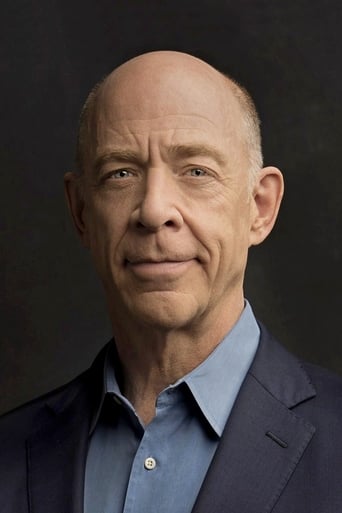 J.K. SimmonsFletcher
 Paul ReiserJim
 Melissa BenoistNicole
 Austin StowellRyan
 Nate LangCarl
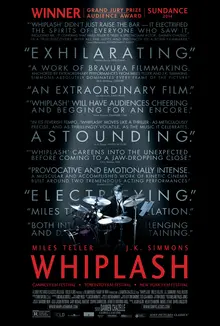
Whiplash Review: Damien Chazelle Turns Jazz Drumming into a Blood Sport
Forget gentle mentorship, because in Damien Chazelle’s ferocious music thriller, greatness is beaten out of you one blistered, bleeding knuckle at a time.
Nineteen-year-old Andrew Neiman is an ambitious first-year jazz drummer at Manhattan’s elite Shaffer Conservatory who wants nothing less than to be remembered like Buddy Rich. His dream appears within reach when Terence Fletcher, the school’s feared studio band conductor, recruits him as an alternate for the top ensemble. Within his very first rehearsal, Andrew discovers that Fletcher is a psychological tyrant who hurls chairs, screams insults, and pits drummers against each other in five-hour marathon auditions until their hands bleed.
J.K. Simmons and Miles Teller Lock Horns
Damien Chazelle directs this rehearsal room drama like a high-stakes thriller, and the two leads treat every musical measure like a prizefight. J.K. Simmons won a well-deserved Oscar for playing Terence Fletcher, a man who can offer a fatherly smile in the hallway and weaponize a student’s deepest family insecurity five minutes later. His infamous rushing-or-dragging scene is pure cinematic terror. Miles Teller matches him beat for beat as Andrew, gradually shedding his awkward politeness to become a cold, isolated fanatic who dumps his girlfriend because she will slow down his practice schedule. Paul Reiser adds a quiet emotional anchor as Andrew’s supportive father, the only sane person in the room.
Tom Cross’s Razor-Sharp Editing and the Sound of Obsession
What makes Whiplash so visceral is how editor Tom Cross cuts the rehearsal sequences. The camera whips between flying drumsticks, beads of sweat splashing off cymbals, Tears of ice water soaked with blood, and Fletcher’s clenched fist cutting the air. You do not need to know a single thing about jazz time signatures to feel the suffocating pressure inside that soundproof room. Much like Black Swan, the movie asks an uncomfortable question about whether toxic abuse can ever be justified if it produces a masterpiece.
Final Verdict
Whiplash is a breathless, sweat-soaked duel of wills that builds to one of the most electrifying ten-minute finales in modern cinema. If you love intense psychological showdowns like Fight Club or Nightcrawler, put this at the top of your watchlist.
Score: 8 / 10 Stars
Whiplash Ending Explained
⚠️ Major spoilers ahead! ⚠️
After being expelled from Shaffer Conservatory and giving up the drums, Andrew Neiman runs into Terence Fletcher at a jazz club. Fletcher seems unusually warm and philosophical, explaining that he only pushed his students brutally because he wanted to discover the next Charlie Parker. He invites Andrew to play drums for his new professional band at the prestigious JVC Jazz Festival, promising they will play the familiar Shaffer repertoire that Andrew knows by heart.
The moment Andrew sits behind the kit on the Carnegie Hall stage, Fletcher drops the friendly mask. Fletcher’s invitation to the JVC Jazz Festival is a cold-blooded revenge ambush designed to destroy Andrew’s career because Fletcher discovered Andrew was the anonymous informant who got him fired from Shaffer. Leaning in close before the curtain rises, Fletcher whispers that he knows it was Andrew, then leads the band into a brand-new piece called Upswinging without giving Andrew the sheet music.
Humiliated in front of every major jazz scout in New York, Andrew walks off the stage in defeat and hugs his horrified father in the wings. Then the film delivers its real psychological twist. Refusing to let Fletcher win, Andrew marches back onto the stage, interrupts Fletcher’s speech to the audience, and cues the bass player into Caravan himself. When Andrew refuses to stop after the song ends and launches into a ferocious nine-minute drum solo, Fletcher’s anger melts into a twisted smile of validation. Like the toxic obsession at the heart of Black Swan and The Prestige, Andrew achieves artistic immortality by surrendering his soul to his abuser, while his father watches through the backstage door in silent horror.
Frequently Asked Questions About:
"Whiplash"
Why did Fletcher invite Andrew to play at the JVC festival in Whiplash?
Terence Fletcher invites Andrew Neiman to play in his JVC Jazz Festival band as a calculated trap to humiliate him in front of New York’s top music scouts. Fletcher learned that Andrew was the anonymous student who testified against him and got him fired from Shaffer Conservatory.
What does the ending of Whiplash mean?
At the end of Whiplash, Andrew returns to the stage after Fletcher’s sabotage, cuts off the band’s next announcement, and launches into a breathtaking drum solo on Caravan. Fletcher realizes Andrew has finally become the Charlie Parker-level genius he always demanded and conducts him to a triumphant finish, though it costs Andrew his humanity.
How did Sean Casey really die in Whiplash?
Fletcher’s former star student Sean Casey did not die in a car accident as Fletcher claims in class. An attorney reveals that Sean actually hung himself after suffering severe anxiety and depression caused by Fletcher’s relentless psychological abuse at Shaffer.
Why does Andrew get kicked out of Shaffer Conservatory in Whiplash?
Andrew Neiman survives a serious car crash while rushing to a competition with forgotten drumsticks, crawls out of the wreckage covered in blood, and tries to play on stage anyway. When his injured hand drops a stick, Fletcher kicks him out of the band, triggering Andrew to tackle Fletcher on stage.
 6.9
 7.3
- 6.6
 6.1
- 6.6