
Shutter Island is a 2010 American neo-noir psychological thriller film directed by Martin Scorsese. The film is based on Dennis Lehane‘s 2003 novel of the same name. Production started in March 2008. Leonardo DiCaprio stars as U.S. Marshal Edward “Teddy” Daniels, who is investigating a psychiatric facility on Shutter Island. Positively reviewed by critics, the film grossed over $128 million in its initial domestic theater release,[2] as well as an additional $166 million internationally. Shutter Island was originally slated to be released on October 2, 2009, but Paramount Pictures delayed it until February 19, 2010.[3]
Shutter Island
Watch TrailerCast:
 Leonardo DiCaprioTeddy Daniels
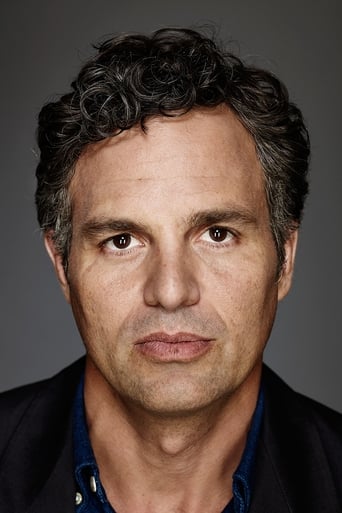 Mark RuffaloChuck Aule
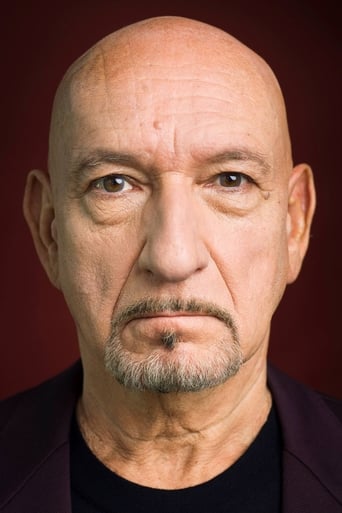 Ben KingsleyDr. Cawley
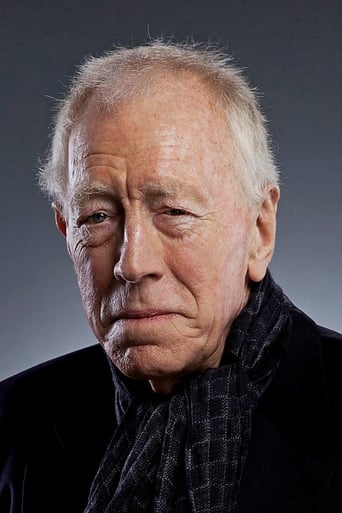 Max von SydowDr. Naehring
 Michelle WilliamsDolores
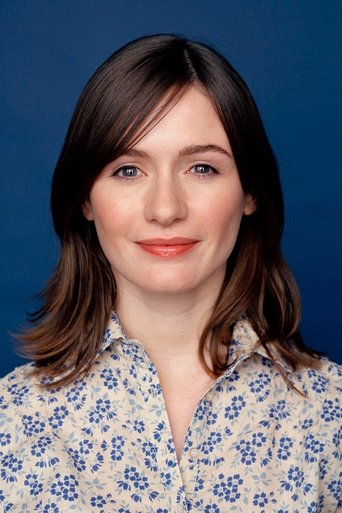 Emily MortimerRachel 1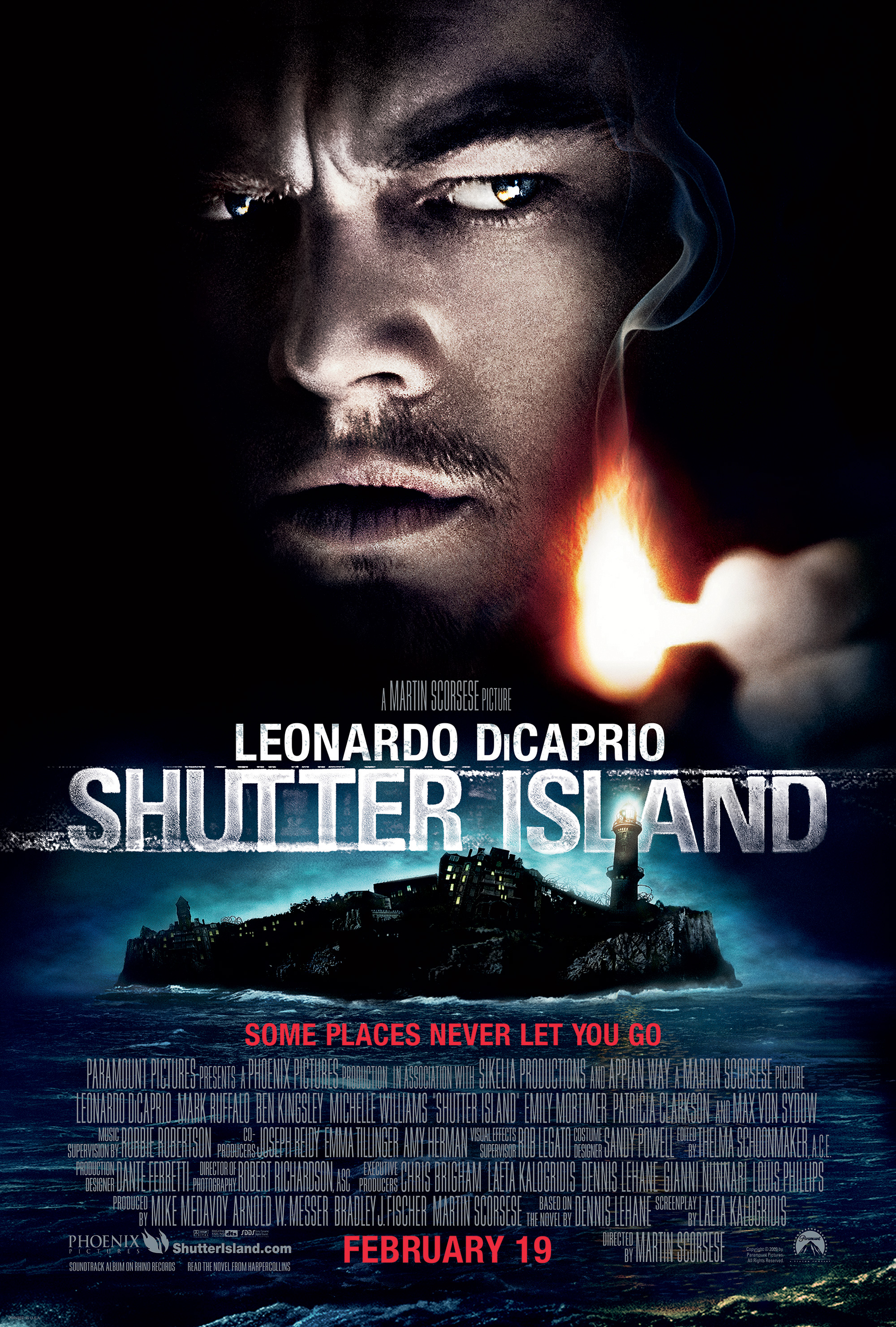
Director:
Martin Scorsese
With Shutter Island, director Martin Scorsese pulls the audience into a rain-drenched, classical gothic thriller that plays out like a waking nightmare. Working from a screenplay by Laeta Kalogridis, (adapted from Dennis Lehane,’s novel), Scorsese crafts an atmospheric labyrinth of paranoia where the line between psychological projection and reality completely dissolves.
The Plot
Set in 1954, US Marshal Teddy Daniels (Leonardo DiCaprio) and his new partner, Chuck Aule (Mark Ruffalo,) arrive at Ashecliffe Hospital on Shutter Island—a remote, fortress-like psychiatric facility for the criminally insane. They are tasked with investigating the impossible disappearance of Rachel Solando, a patient who vanished from a locked room. As a ferocious hurricane cuts the island off from the mainland, Teddy is forced to confront cryptic clues left by the staff, the evasive behavior of the chief physician, Dr. John Cawley (Ben Kingsley,), and his own mounting migraines and horrific visions of his late wife, Dolores Chanal (Michelle Williams).
Themes: Grief, Guilt, and the Escape from Reality
The film is a heavy, dark examination of deep psychological trauma and the lengths to which the human mind will go to protect itself from unbearable truth. Scorsese explores themes of institutional corruption, post-war trauma, and the haunting persistence of guilt. The island functions as a physical manifestation of a locked mind—full of restricted wards, hidden lighthouses, and structural secrets designed to keep the truth from breaking out.
Performances and Direction
Leonardo DiCaprio gives a raw, sweating, and feral performance as Teddy. He perfectly captures the manic intensity of a man on the edge, blending the sharp instincts of a detective with the unhinged desperation of a man drowning in grief.
Mark Ruffalo provides a vital, grounding presence as Chuck, acting as a calm, watchful anchor to Teddy,’s erratic behavior. Ben Kingsley brings a cold, highly ambiguous intellect to Dr. Cawley, leaving the viewer perpetually uncertain whether he is a progressive healer or a sinister manipulator.
Martin Scorsese, stepping away from his typical crime epics, proves his mastery over psychological horror. His direction is intensely claustrophobic; he intentionally uses disorienting continuity errors and dreamlike editing sequences to make the audience doubt the reality of the scenes just as much as the protagonist does.
Cinematography and Atmosphere
Robert Richardson’s cinematography is breathtakingly oppressive. The film is characterized by stark color contrasts—shifting from the drab, rain-slicked concrete of the asylum to the blindingly saturated, hyper-real colors of Teddy’s tragic dreams. The atmosphere is thick with dread, heavily elevated by an avant-garde classical soundtrack featuring pieces by Krzysztof Penderecki, and Max Richter. The music acts like a physical weight, mimicking the rising storm outside and the growing madness within.
Personal Resonance
Watching the film evokes a profound sense of claustrophobia and emotional exhaustion. What resonated most was the overwhelming tragedy of the ending, which recontextualizes the entire movie. It makes you feel the absolute coldness of isolation—not just the isolation of being stuck on an island, but the solitary confinement of being trapped inside a fractured mind that refuses to let you heal.
Verdict
Shutter Island is a brilliantly constructed, deeply disturbing psychological thriller. It honors the classic noir tradition while pushing its character study to a devastatingly dark limit.
- Who should watch: Fans of intricate psychological puzzles like Memento, lovers of atmospheric gothic thrillers, and anyone who enjoys watching masterclass acting under precise direction.
- Final thought: A hauntingly beautiful descent into madness that proves the most terrifying monsters are the ones we create to protect ourselves.
Shutter Island tops our ranking of every Leonardo DiCaprio plot twist movie — see how it compares to Inception, The Departed and the rest.
Shutter Island Ending Explained
⚠️ Major spoilers ahead! ⚠️
The grand revelation of the film is that Teddy Daniels is not a US Marshal investigating a missing person—he is actually Andrew Laeddis, the most dangerous patient at Ashecliffe Hospital, and “Teddy” is a fictional persona he created to escape his reality.
Two years prior, Andrew,’s manic-depressive wife, Dolores, drowned their three young children in the lake behind their house. In a state of absolute shock and grief, Andrew, shot and killed his wife, which caused him to have a complete psychological break. Unable to process the guilt of failing to save his children or the trauma of murdering his wife, his mind invented the alternate reality of “Marshal Teddy Daniels.” The name Edward Daniels, is an anagram for Andrew Laeddis, and Rachel Solando, is an anagram for Dolores Chanal,.
The entire investigation we see on screen was actually an elaborate, radical roleplay experiment designed by Dr. John Cawley, and Andrew,’s actual primary psychiatrist, Dr. Lester Sheehan, (who was playing the role of his partner, Chuck,). Cawley, allowed Andrew, to play out his detective fantasy across the island in a last-ditch effort to let him see the logical flaws in his conspiracy theory, hoping that discovering the truth naturally would permanently cure his delusion and save him from a radical, irreversible lobotomy.
In the lighthouse, Andrew, finally breaks through his delusion, remembers his real name, and accepts the horrific truth of his family’s death. However, the next morning, sitting on the steps with Sheehan, Andrew, slips back into his “Teddy” persona, speaking to him as if they are still marshals who need to escape the island. Sheehan, signals to Cawley, that the experiment has failed and that Andrew, has relapsed. As the orderlies approach with surgical tools to perform the lobotomy, Andrew, delivers his final line to Sheehan,, revealing that he is actually sane but is choosing to fake the relapse so he can be lobotomized, preferring to lose his mind entirely rather than live with the memory of his sins.
Frequently Asked Questions About:
"Shutter Island"
Is Shutter Island based on a true story?
No, the movie is entirely fictional. It is based on the 2003 psychological thriller novel written by Dennis Lehane,. While the setting and characters are fabricated, Lehane, drew real-world inspiration from the historic brutalist architecture of old psychiatric hospitals in Massachusetts and the real-world medical controversies surrounding lobotomies and psychiatric treatments in the 1950s.
What is the significance of the lighthouse in the movie?
Throughout the film, the lighthouse is built up in Teddy,’s mind as the central hub of a massive conspiracy where Ashecliffe Hospital performs illegal, unethical mind-control experiments on its patients. In reality, the lighthouse holds no sinister equipment; it is completely empty. Symbolically, it represents the light of truth—it is the place where Teddy, is finally forced to strip away his delusions and face the reality of his own history.
What does the final line of the movie mean?
At the end, Teddy, looks at Chuck, and asks: “Which would be worse—to live as a monster, or to die as a good man?” This line indicates that Teddy,’s sanity has actually returned, but he cannot live with the overwhelming guilt of what he did. By pretending to still be delusional, he voluntarily chooses to undergo the lobotomy. In his mind, receiving the procedure is a way to “die as a good man” (forgetting his trauma entirely) rather than living with the awareness that he is the “monster” who let his children die.
Why are there so many continuity errors in the film?
Scorsese, deliberately included subtle continuity errors throughout the movie—such as a patient drinking from an empty glass that suddenly disappears, or handcuffs shifting arms between shots. These were not mistakes. They were intentionally placed to visually communicate Teddy,’s fractured, ungrounded perception of reality, signaling to the audience that the narrator’s mind is actively rewriting the details of his environment.
Who directed and wrote the score for Shutter Island?
The movie was directed by Martin Scorsese,. Instead of commissioning an original orchestral score, Scorsese, worked with his longtime music supervisor, Robbie Robertson,, to curate an existing playlist of modern classical and avant-garde music. They utilized compositions by legendary artists like György Ligeti,, John Cage,, and Max Richter, to build the movie’s uniquely unsettling sonic atmosphere.
Last updated: July, 2026
– Film details and cast information checked.
 6.4
6.4- 6.4
 6.5
6.5- 6.4
 7.1
7.1