

Cast:
 Tim RobbinsJacob
 Elizabeth PeñaJezzie
 Danny AielloLouis
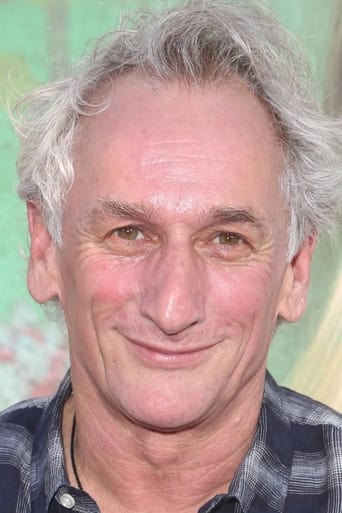 Matt CravenMichael
 Pruitt Taylor VincePaul
 Jason AlexanderGeary

Nightmarish Hallucinations and Spiritual Purgatory in Adrian Lyne’s Cult Masterpiece
Adrian Lyne crafts one of cinema’s most terrifying and emotionally devastating portraits of trauma with Jacob’s Ladder, a film whose haunting imagery forever altered psychological horror. Released in 1990 from a script by Bruce Joel Rubin, the film transcends the Vietnam veteran subgenre to deliver an unforgettable odyssey through fear, grief, and spiritual transcendence.
Jacob Singer is a gentle Brooklyn postal worker living with his passionate girlfriend Jezzie while grieving the tragic hit-and-run death of his young son Gabe. An educated man who served in the US Army’s 1st Air Cavalry Division, Jacob survived a chaotic, nightmarish massacre in the Mekong Delta in 1965. Back home in a dreary New York City, terrifying phenomena begin invading his reality. Subways become trap doors to subterranean hellscapes, faceless strangers peer out of passing vehicles with twitching heads, and doctors in blood-stained gurneys drag him through decaying hospital corridors. As paranoia tightens its grip, Jacob reunites with surviving members of his old platoon, discovering they are all being hunted by the exact same demonic hallucinations.
Tim Robbins’s Soulful Anguish and Danny Aiello’s Heavenly Grace
Tim Robbins gives the performance of a lifetime as Jacob, conveying tender warmth, quiet intellectual curiosity, and paralyzing terror with equal conviction. You feel the crushing weight of his grief in every frame as he desperately fights to maintain his grasp on reality. Elizabeth Peña provides fiery, volatile energy as Jezzie, while Danny Aiello radiates profound compassion as Louis, Jacob’s angelic chiropractor whose gentle manipulations and philosophical wisdom provide the story’s spiritual anchor. Macaulay Culkin appears in an uncredited, heart-wrenching cameo as Jacob’s lost son Gabe.
Groundbreaking Visual Effects and Maurice Jarre’s Haunting Score
Adrian Lyne pioneered the iconic fast-head-shake camera effect, shooting actors shaking their heads at slow shutter speeds to produce an uncanny, demonic jitter that directly inspired horror video games like Silent Hill. Cinematographer Jeffrey L. Kimball bathes New York in dingy sepia tones, grimy steam vents, and rain-slicked asphalt that feel deeply claustrophobic. Maurice Jarre’s score balances mournful piano keys with terrifying orchestral wails. Fans of psychological descents and reality-bending puzzles like Donnie Darko and The Others will be mesmerized by the emotional depth.
Jacob’s Ladder is an extraordinary, heart-rending masterpiece that explores how letting go of earthly pain is the ultimate liberation of the soul.
Score: 8 / 10 Stars
Jacob’s Ladder Ending Explained
⚠️ Major spoilers ahead! ⚠️
The heartbreaking twist of Jacob’s Ladder reveals that Jacob Singer never made it home from Vietnam, and the entire post-war life he experienced was an extended dying hallucination as his soul transitioned from purgatory to peace.
Throughout the film, Jacob endures horrific demonic visions: subway passengers with scaly tails, faceless hospital orderlies shaking violently, and government agents attempting to silence him. A former army chemist named Michael Newman claims that Jacob’s platoon was secretly administered an experimental hallucinogen called the Ladder, designed to heighten primal combat aggression, which resulted in the soldiers descending into fratricidal slaughter and butchering each other in the jungle.
While the chemical experiment metaphor reflects military trauma, the spiritual reality is far deeper. As Jacob’s chiropractor Louis lovingly explains quoting the mystic Meister Eckhart, if you cling to your earthly life and regrets, devils will rip your life away, but if you have made your peace, those very same devils are actually angels freeing you from the earth. The demonic faces Jacob sees are his own attachments and guilt over the accidental death of his young son Gabe.
In the final sequence, Jacob returns to his empty brownstone apartment and finds his deceased son Gabe waiting at the foot of the stairs, bathed in golden sunlight. Gabe smiles, takes his father by the hand, and leads him up the staircase into the white light of heaven. The film abruptly cuts to a sweltering military field hospital tent in the Mekong Delta in 1965. Army surgeons shake their heads, pronounce Sergeant Jacob Singer dead from a bayonet wound on the operating table, and note that he looks remarkably peaceful. Jacob never survived the battlefield; his journey through New York was his soul making peace with death.
If you love emotional purgatory mysteries and hallucinatory psychological masterpieces, explore The Others, Donnie Darko, and Shutter Island.
Frequently Asked Questions About:
"Jacob’s Ladder"
Is Jacob's Ladder scary?
It is more disturbing than gory, with nightmarish images.
Is there a remake of Jacob's Ladder?
Yes. A remake appeared in 2019, but the 1990 original is the better known.
 6.5
 5.7
- 6.2
 8.4
 6.5


