
Cast:
 Jennifer LawrenceElissa
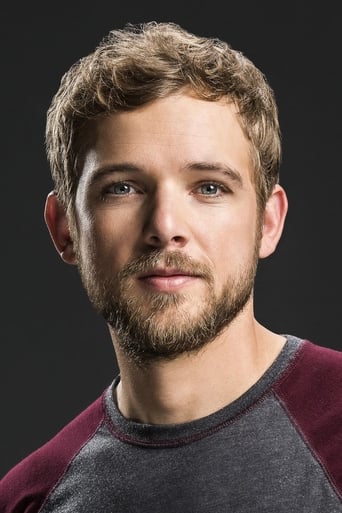 Max ThieriotRyan
 Elisabeth ShueSarah
 Gil BellowsWeaver
 Eva LinkCarrie Anne
 Nolan Gerard FunkTyler

Small Town Secrets and Sibling Trauma in Mark Tonderai’s Teen Thriller
Mark Tonderai delivers an atmospheric, small-town psychological thriller with House at the End of the Street, elevated by an early-career lead performance from Jennifer Lawrence. Released in 2012 just as Lawrence was exploding into global stardom, the film plays with familiar slasher tropes and teenage romance before pulling back the curtain on dark family secrets.
Newly divorced physician Sarah and her rebellious high school daughter Elissa relocate from Chicago to an upscale rural Pennsylvania town, leasing an idyllic woodland home at an unusually steep discount. The reason for the low rent lies directly across the trees: four years earlier, a teenage girl named Carrie Ann Jacobson butchered her wealthy parents in their beds with a hammer before fleeing into the wilderness, presumed drowned in the river. The sole survivor of the Jacobson tragedy, Carrie Ann’s older brother Ryan, still lives alone inside the dilapidated murder house, shunned by bitter neighbors. Drawn to Ryan’s gentle demeanor and acoustic guitar melodies, Elissa strikes up a secretive friendship against her mother’s warnings, unaware of what lurks behind the heavy basement door.
Jennifer Lawrence’s Grounded Charm and Max Thieriot’s Uneasy Vulnerability
Jennifer Lawrence brings genuine charisma, physical grit, and intelligence to Elissa, making her far more resourceful than the typical horror heroine. Elisabeth Shue provides strong support as Sarah, portraying a protective single mother whose frayed relationship with her daughter fuels the central conflict. Max Thieriot walks a delicate tightrope as Ryan, balancing puppy-dog vulnerability with flashes of sudden, coiled tension that keep you wondering whether he is a misunderstood victim or a calculated monster.
Atmospheric Woods and Miroslaw Baszak’s Moody Camera
Cinematographer Miroslaw Baszak bathes the Pennsylvania woods in deep autumn shadows, golden sunbeams, and rain-swept gravel roads, establishing a moody aesthetic that contrasts with the suburban rot next door. Theo Green’s score pairs electronic drones with rhythmic acoustic strings to heighten the suspense during late-night basement snooping. While some plot beats lean heavily into standard slasher cliches, the mid-movie reveals reframe the narrative in surprising ways. Mystery fans who enjoy dark domestic secrets like Secret Window and psychological identity puzzles like Psycho will find it an enjoyable watch.
House at the End of the Street is an entertaining, suspenseful slice of teen noir that proves quiet suburban neighborhoods often hide the darkest nightmares.
Score: 6 / 10 Stars
House at the End of the Street Ending Explained
⚠️ Major spoilers ahead! ⚠️
The double twist of House at the End of the Street reveals that Carrie Ann died in childhood from a swing accident, and Ryan himself was the abused boy forced to live as Carrie Ann by his parents before murdering them both.
Years earlier, while their parents were high on drugs, young Ryan was pushed by his sister Carrie Ann on a tire swing. Carrie Ann fell, cracked her skull, and died on the spot. Terrified of going to prison, the abusive parents buried Carrie Ann in the woods, dressed young Ryan in girls’ clothing, dyed his hair blonde, and beat him brutally whenever he failed to act like Carrie Ann. Driven to madness by years of physical abuse, Ryan eventually snapped, butchered both parents with a kitchen knife, and fled into the woods.
The feral young woman Elissa discovers trapped inside the hidden basement room is not the real Carrie Ann, but Peggy Reynolds, a local waitress Ryan kidnapped from the nearby diner and drugged to replace his deceased sister. When Peggy breaks free and attacks Elissa, Ryan kills Peggy to protect his secret.
Ryan knocks Elissa unconscious and prepares to drug her, intending to turn her into his new surrogate Carrie Ann. Elissa’s mother Sarah arrives and fights Ryan, allowing Elissa to break free and shoot Ryan with a revolver. Ryan survives and is committed to a psychiatric hospital. In the final shot, an orderly enters Ryan’s isolation cell, and Ryan glances at his reflection in the mirror, whispering that Carrie Ann is a good girl, proving his mind remains fractured inside his childhood trauma.
If you love psychological twists about childhood trauma, hidden identities, and secret rooms, check out Psycho, Secret Window, and Identity.
Frequently Asked Questions About:
"House at the End of the Street"
Who directed House at the End of the Street?
Mark Tonderai directed it.
Who stars in House at the End of the Street?
Jennifer Lawrence, Elisabeth Shue and Max Thieriot star.
Is House at the End of the Street scary?
It has tense scenes and a few jump scares.
Is House at the End of the Street a twist movie?
Yes. It has a clear reveal late in the story.
 7.4
 6.9
 8.2
 6.9
 6.5