Who Am I: No System Is Safe

Watch Trailer
Year:
2014
Runtime:
105 Min.
Director:
Baran bo Odar
Genre:
IMDB Rating:
7.6

Cast:

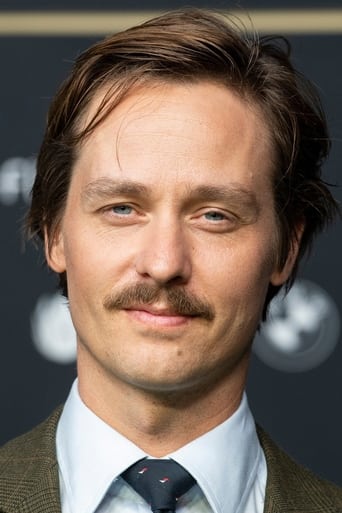
Tom SchillingTom SchillingBenjamin
Elyas M'BarekElyas M'BarekMax
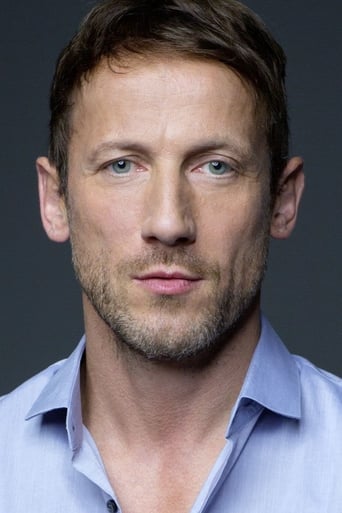
Wotan Wilke MöhringWotan Wilke MöhringStephan
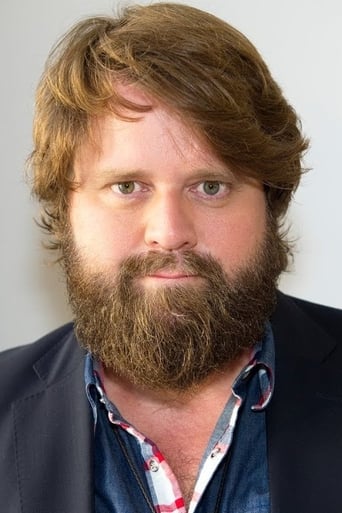
Antoine Monot Jr.Antoine Monot Jr.Paul
Hannah HerzsprungHannah HerzsprungMarie
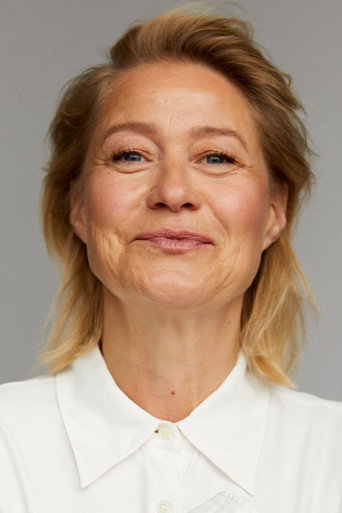
Trine DyrholmTrine DyrholmHanne Lindberg
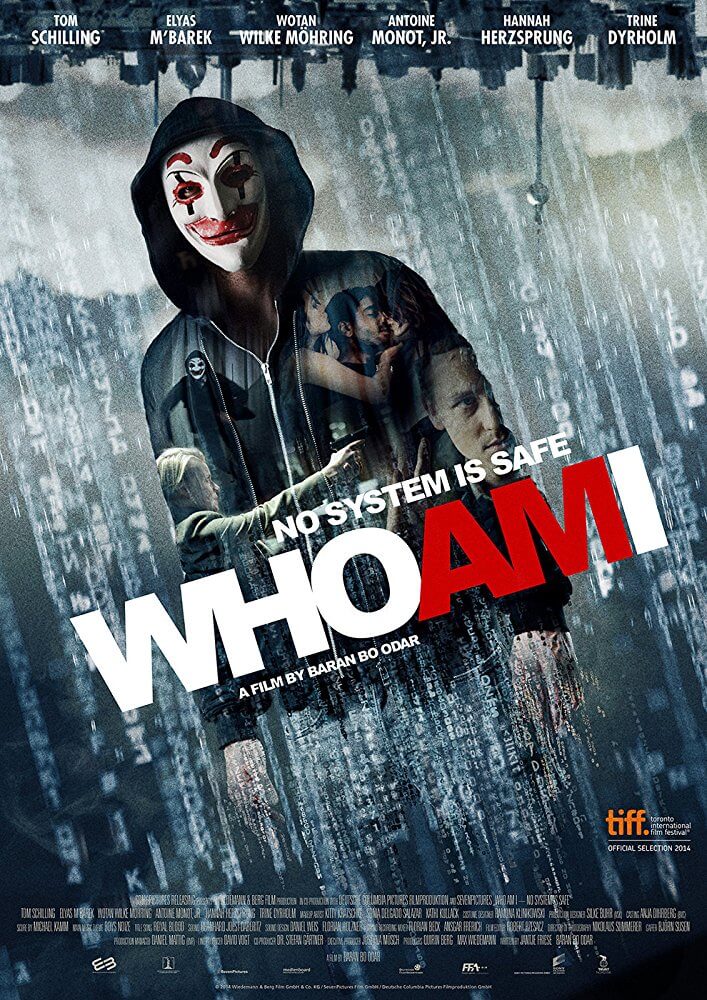
whoami movie poster

Who Am I (German: Who Am I – Kein System ist sicher; English: “Who Am I: No System Is Safe”) is a 2014 German techno-thriller film directed by Baran bo Odar. It is centered on a computer hacker group in Berlin geared towards global fame. It was screened in the Contemporary World Cinema section at the 2014 Toronto International Film Festival. The film was shot in Berlin and Rostock. Because of its storyline and some elements, the film is often compared to Fight Club and Mr. Robot 

source: wiki

With the sleek techno-thriller Who Am I: No System Is Safe (Who Am I – Kein System ist sicher), director Baran bo Odar and co-writer Jantje Friese deliver a kinetic, hyper-stylized mind-bender that stands as one of the most inventive German thrillers of the 21st century. Long before they achieved global fame with the hit Netflix series Dark, the duo proved their mastery of intricate puzzle-box storytelling with this fast-paced exploration of identity, digital anonymity, and the art of deception.

The Plot

Benjamin Engel (Tom Schilling) is a lonely, invisible hacker genius living in Berlin, feeling completely disconnected from the physical world. His life changes dramatically when he crosses paths with the charismatic, rebellious Max (Elyas M’Barek). Together with tech-heads Stephan (Wotan Wilke Möhring) and Paul (Antoine Monot Jr.), they form the underground hacker collective CLAY (Clowns Laughing At You). Performing audacious, highly publicized pranks that humiliate corporations and right-wing groups, CLAY becomes an internet sensation. However, driven by a desperate desire to impress the global hacker god “FRI3NDS,” Benjamin goes too far, accidentally exposing classified federal data to a ruthless cyber-mafia and sparking a high-stakes manhunt led by a relentless Europol investigator (Trine Dyrholm).

Themes: The Social Engineering of Self

The film moves past basic computer coding tropes to dive deeply into the psychological mechanics of hacking, emphasizing its core principle: no system is safe, and the biggest security flaw is always the human being. Odar explores how social media and the internet allow people to construct entirely fictional versions of themselves, transforming anonymity into a weapon. The core theme is the desperate human need to be seen and validated. Benjamin’s journey is not just about breaking into servers; it is a dark, psychological crusade by an invisible boy trying to force the world to finally acknowledge his existence.

Performances and Direction

Tom Schilling is brilliant as Benjamin, playing him with a fragile, wide-eyed anxiety that instantly hooks the audience’s sympathy. He embodies the classic tech-hermit without ever slipping into caricature.

Elyas M’Barek serves as the perfect energetic counterweight, infusing Max with a dangerous, rock-star swagger that makes it entirely believable why Benjamin would follow him blindly. Trine Dyrholm brings a sharp, exhausted intelligence to Europol agent Hanne Lindberg, creating a fantastic, high-stakes psychological game of chess between her and Schilling during the interrogation scenes.

Baran bo Odar’s direction is incredibly visual and confident. He solves the classic cinematic problem of “boring computer screens” by visually representing the Darknet as a physical, neon-lit subway train where masked hackers sit in silence and exchange data—a brilliant creative choice that keeps the pacing fiercely entertaining.

Cinematography and Atmosphere

Nikolaus Summerer’s cinematography is drenched in a cold, urban palette of deep blues, concrete grays, and piercing neon greens. The film pulses with a relentless, club-inflected electronic soundtrack by Boys Noize, which matches the frantic, insomnia-fueled rhythm of the characters’ lifestyles. The editing is razor-sharp and aggressive, capturing the disorienting, chaotic rush of a successful cyberattack.

Personal Resonance

Watching this film is a thrilling, head-spinning ride. It evokes a constant state of paranoia, making you feel how fragile our digital security structures truly are. What resonated most was the film’s playful, mischievous tone—it pulls the rug out from under the viewer multiple times, forcing you to constantly question the reliability of everything you are seeing. It leaves you feeling entirely exhilarated by the sheer audacity of its storytelling mechanics.

Verdict

Who Am I is a slick, electrifying, and deeply clever cyber-thriller. It successfully blends the rebel energy of Fight Club with the intricate deception of The Usual Suspects, making it an absolute standout in the techno-thriller genre.

  • Who Sub-group: Fans of complex hacker dramas like Mr. Robot, viewers who love twist-heavy psychological thrillers, and anyone looking for a stylish, modern European genre film.
  • Final thought: A masterful reminder that the most sophisticated hack in the world doesn’t happen on a keyboard—it happens inside someone else’s mind.

Who Am I: No System Is Safe Ending Explained

⚠️ Major spoilers ahead! ⚠️

The frame narrative of the movie consists of a bloodied Benjamin sitting in an interrogation room with Europol agent Hanne Lindberg, spinning his story. He claims that after a botched hack, the ruthless cyber-group “FRI3NDS” murdered Max, Stephan, and Paul, leaving Benjamin as the only survivor. To prove his story, he offers to hack FRI3NDS for Europol in exchange for a witness protection program.

Hanne investigates his background and uncovers a shocking revelation: Max, Stephan, and Paul never existed. Benjamin has multiple personality disorder, and he performed all of the massive CLAY hacks completely by himself.

Hanne confronts Benjamin with the truth, showing him that his mother suffered from the same mental illness and committed suicide. Because the witness protection program cannot legally be granted to someone with severe psychiatric issues, a sympathetic Hanne—impressed by his genius and needing a win for her career—allows Benjamin to secretly access a terminal to alter the federal database himself, letting him rewrite his identity and escape.

The brilliant final twist reveals: Benjamin faked the multiple personality disorder to hack the investigator.

Max, Stephan, and Paul are completely real and alive, waiting for Benjamin on a ferry boat. Knowing that Europol would eventually identify him as the sole hacker of CLAY and hunt him down forever, the four friends engineered an incredibly complex “social engineering” stunt.

Benjamin intentionally left clues to make it look like he had multiple personalities, including planting a specific set of four sugar cubes during the interrogation to mirror a magic trick Max supposedly performed. By manipulating Hanne’s empathy, Benjamin forced her to give him the exact digital access he needed to erase his old life. The film ends with the four friends sailing away under completely new, untraceable identities, proving that the ultimate hack was completely psychological.

Frequently Asked Questions About:
"Who Am I: No System Is Safe"

While CLAY is fictional, the creators heavily based the group’s actions, aesthetics, and philosophy on real-world hacktivist collectives like Anonymous and the German Chaos Computer Club (CCC). The film’s depiction of hacking techniques—such as phishing, dumpster diving, and social engineering—is highly praised by the tech community for being grounded in actual cybersecurity practices rather than Hollywood fantasy.

The movie was directed by Swiss filmmaker Baran bo Odar, who also co-wrote the screenplay with his creative and romantic partner, Jantje Friese. The immense success and structural complexity of Who Am I caught the attention of Netflix executives, directly leading to the duo being hired to create the internationally acclaimed, mind-bending sci-fi series Dark.

In the film, CLAY stands for Clowns Laughing At You. The group chooses clown masks as their visual signature to symbolize that they are mocking the self-important security systems of major corporations and governments, while also providing them with absolute digital and physical anonymity during their public stunts.

Warner Bros. acquired the rights to produce an American remake of the film shortly after its release in 2014, with various directors attached over the years. However, a remake never materialized into production. Many fans and critics note that the acclaimed American television series Mr. Robot (which premiered in 2015) shares a nearly identical visual tone, themes of social alienation, and plot structures with the German film.

The film was shot primarily on location in Berlin and Rostock, Germany. The production team heavily utilized Berlin’s brutalist architecture, underground club spaces, and sleek corporate glass towers to emphasize the stark contrast between Benjamin’s dark, gritty underground reality and the clean, high-tech world he targets.

Last updated: July, 2026
– Film details and cast information checked.
Leave the first comment