The Beach

Watch Trailer
Year:
2000
Runtime:
119 Min.
Director:
Danny Boyle
Genre:
IMDB Rating:
6.5

Cast:

Leonardo DiCaprioLeonardo DiCaprioRichard
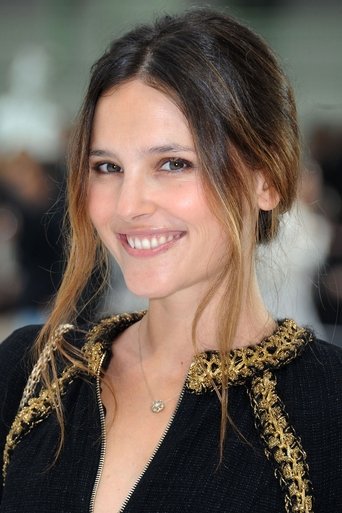
Virginie LedoyenVirginie LedoyenFrançoise
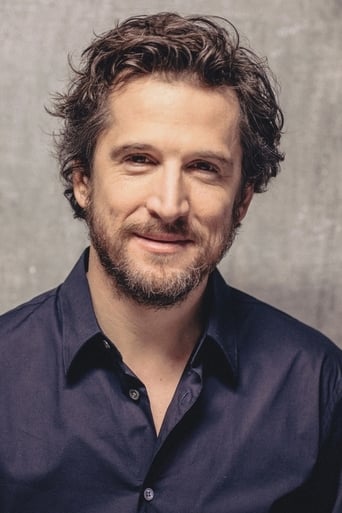
Guillaume CanetGuillaume CanetÉtienne
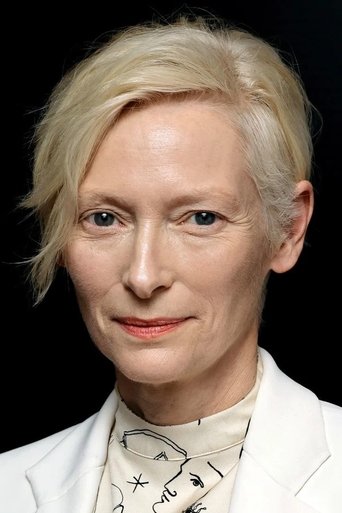
Tilda SwintonTilda SwintonSal
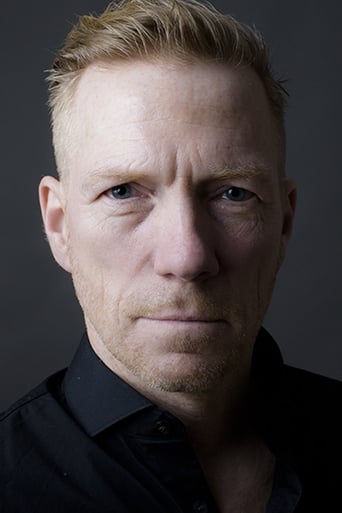
Staffan KihlbomStaffan KihlbomChristo
Paterson JosephPaterson JosephKeaty
the beach

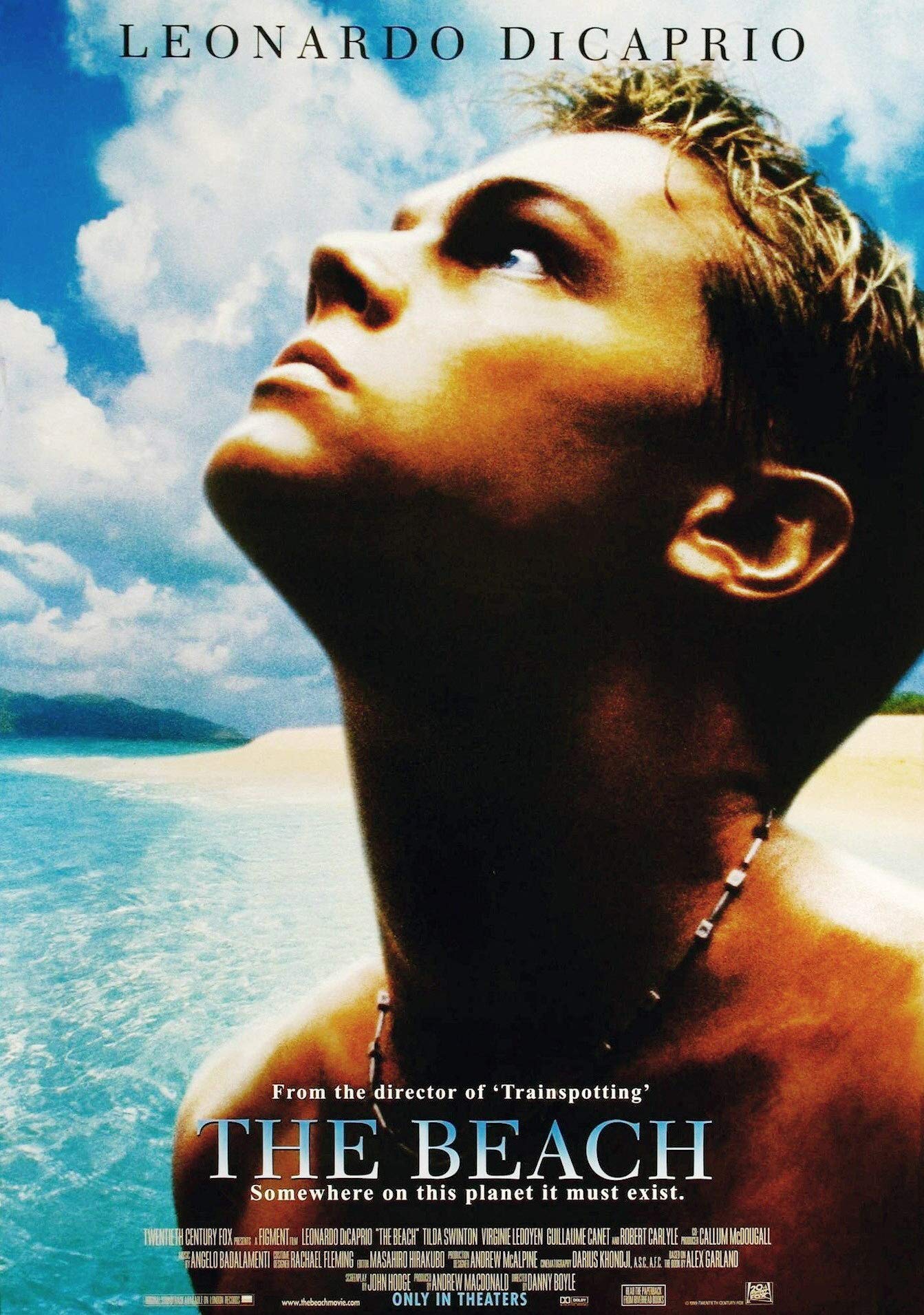
The Beach is a 2000 adventure drama film directed by Danny Boyle, from a screenplay by John Hodge, based on the 1996 novel by Alex Garland. A British–American co-production, the film stars Leonardo DiCaprioTilda SwintonVirginie LedoyenGuillaume Canet, and Robert Carlyle. The plot centers on a young American backpacker and a French couple who discover a colony of people living on an uninhabited island and contend with the local dangers there. It was filmed on the Thai island of Ko Phi Phi Le.

The film was released on 11 February 2000 by 20th Century Fox. It was a box-office success, grossing $144.1 million against a $50 million budget, but received mixed reviews from critics, who praised the film’s scenery, soundtrack and DiCaprio’s performance, but criticised it as a muddled adaptation that loses the book’s themes and social commentary.

source: wiki

At the turn of the millennium, director Danny Boyle and screenwriter John Hodge took on the monumental task of adapting Alex Garland’s generation-defining cult novel, The Beach. What resulted was a gorgeous, deeply cynical, and visually arresting thriller that deconstructs the hypocrisy of the backpacker counterculture. While it was initially met with mixed reviews due to its departure from the book’s darker third act, the film remains a striking, sun-drenched nightmare about the parasitic nature of human paradise.

The Plot

Richard (Leonardo DiCaprio) is a young, bored American backpacker searching for an authentic, unpackaged experience in Thailand. In a grimy Bangkok hotel, a deeply unhinged man named Daffy (Robert Carlyle) leaves Richard a hand-drawn map to a legendary, hidden island paradise untouched by tourism. Enticing a young French couple, Françoise (Virginie Ledoyen) and Étienne (Guillaume Canet), to join him, Richard embarks on a dangerous journey to find the island. They successfully cross a shark-infested channel and bypass a heavily armed, illegal marijuana plantation to discover a secret, self-sustaining community of international travelers led by the charismatic Sal (Tilda Swinton). However, Richard soon learns that maintaining the illusion of paradise requires a cold, sociopathic level of secrecy and sacrifice.

Themes: The Illusion of Paradise and Eco-Tourism Hypocrisy

The film is a biting satire of the modern traveler’s desire to find “untouched” spaces. It exposes the inherent paradox of adventure tourism: the moment tourists find an exclusive paradise, their very presence begins to destroy it. Boyle explores themes of tribalism, isolation, and the moral rot that occurs when a community values its own comfort over human empathy. Richard’s gradual descent into isolation and survivalist madness mirrors the dark history of colonization, showing how quickly “enlightened” Westerners can revert to savage self-preservation when their playground is threatened.

Performances and Direction

Leonardo DiCaprio delivers a raw, physically demanding performance that brilliantly transitions from naive, wide-eyed wanderlust to manic, sweat-drenched paranoia. Released right as “Leo-mania” was peaking post-Titanic, the film deliberately subverts his heartthrob image, turning him into a deeply flawed, selfish protagonist.

Tilda Swinton is chillingly magnificent as Sal, the matriarch of the island. She plays the role with a cult-leader serenity, projecting a warm, maternal authority that masks a ruthless willingness to discard anyone who threatens her community’s secrecy. Robert Carlyle leaves an indelible mark in his brief screen time as Daffy, acting as a frantic, ghostly harbinger of the madness that awaits Richard.

Danny Boyle’s direction is kinetic, utilizing surreal dream sequences, video game-style graphics, and a legendary, atmospheric electronic-pop soundtrack (featuring Underworld, Moby, and All Saints) to capture the drug-like euphoria and subsequent comedown of the island experience.

Cinematography and Atmosphere

Darius Khondji’s cinematography is spectacular, capturing the white sands and impossibly blue waters of Maya Bay with a breathtaking, postcard-perfect clarity that slowly morphs into something claustrophobic. The island is shot to look like heaven on earth, which makes the dark, bloody events that unfold on its shores feel incredibly jarring and intrusive.

Personal Resonance

The Beach evokes a complex mixture of envy and dread. It captures the universal itch to escape the mundane routines of modern society, making you fall in love with the island’s beauty before slowly pulling back the curtain to reveal the rot underneath. What resonated most was the community’s horrific indifference to suffering—the chilling moment they drag a dying, screaming friend into the jungle because his groans of pain are ruining their beach party. It leaves you with a lingering, uncomfortable realization about the selfishness of human desire.

Verdict

The Beach is a visually stunning, dark adventure film that stands as an underrated gem in Danny Boyle’s filmography. It is a sharp, beautifully shot cautionary tale about the high cost of running away from reality.

  • Who should watch: Fans of psychological survival dramas like Lord of the Flies, lovers of gorgeous tropical cinematography, and anyone interested in a cynical deconstruction of travel culture.
  • Final thought: A haunting reminder that paradise isn’t a place you can find, because we bring our own darkness wherever we go.


The Beach Ending Explained

⚠️ Major spoilers ahead! ⚠️

As the community thrives in secret, things fall apart when a group of farmers from the nearby illegal marijuana plantation discover that Richard copied Daffy’s map and gave it to a new group of American backpackers on the mainland. Later, a shark attacks several members of the community; one is killed instantly, and another, Christo, is left with a severely infected, gangrenous leg. Because calling for medical help would reveal their location, Sal forces the community to drag the screaming, dying Christo into a tent in the jungle, isolating him so his agonizing cries won’t ruin the camp’s cheerful mood.

Richard is tasked by Sal to camp out in the jungle to watch for the mainland backpackers and keep them from reaching the beach. During his isolation, Richard suffers a severe psychological break, hallucinating the ghost of Daffy and behaving like a feral guerrilla soldier.

The climax arrives when the armed marijuana farmers discover the mainland backpackers on the island and brutally execute them. They then march into Sal’s camp, holding Richard hostage. The lead farmer hands Sal a revolver loaded with a single bullet, telling her that if she wants to keep her paradise, she must shoot Richard to prove her commitment to absolute secrecy.

To the horror of the community, Sal doesn’t hesitate. She pulls the trigger—but the chamber is empty.

The illusion of their peaceful utopia is instantly shattered. Horrified by Sal’s absolute willingness to commit cold-blooded murder just to protect her holiday lifestyle, the remaining community members reject her. Led by Françoise and Étienne, they rescue Richard, abandon the island, and flee back to the mainland on a wooden raft.

The film ends on a bittersweet note: Richard is back in society, working in an internet cafe. He receives an email from Françoise containing a group photo of their time on the beach, labeled “Our Parallel Universe.” Richard reflects on his journey, realizing that while he will never find a perfect paradise, he still believes in the beauty of brief, shared moments of human connection.

Frequently Asked Questions About:
"The Beach"

The movie was filmed primarily on location in Thailand, with the famous hidden beach scenes shot at Maya Bay on the island of Phi Phi Leh. The film’s production caused massive environmental controversy at the time, as the studio mapped and altered the natural sand dunes and cleared coconut trees to make the beach look more “paradisiacal.” In the years following the film’s release, Maya Bay suffered catastrophic ecological damage from over-tourism, forcing the Thai government to repeatedly close the beach to let the coral and marine life recover.

Yes, the movie is based on the highly acclaimed 1996 debut novel The Beach by British author Alex Garland (who went on to write 28 Days Later and direct Ex Machina and Annihilation). While the first half of the film follows the book relatively closely, the final third diverges significantly, toning down the novel’s extreme violence, psychological breakdown, and Lord of the Flies-style tribal warfare in favor of a more conventional Hollywood ending.

Daffy (Robert Carlyle) was one of the original founders of the beach community alongside Sal. However, the isolation and the moral compromises required to keep the island a secret drove him insane, leading him to leave the island and flee to Bangkok. Daffy gave Richard the map as a final, bitter act of sabotage—he knew that introducing new, naive travelers to the island would eventually force the hidden community to confront its own toxic hypocrisy and cause its destruction.

French actress Virginie Ledoyen plays Françoise, the girlfriend of Étienne (Guillaume Canet). Richard falls instantly in love with her during their journey to the island, leading to a secret, passionate affair that threatens the fragile social dynamics of their small traveling group.

The core message of the film is that human paradise is a selfish illusion. It argues that true happiness cannot be found by escaping to an isolated utopia, because humans inevitably bring their greed, jealousy, and capacity for violence with them. The movie suggests that true connection and peace must be found in the real, messy world, rather than in an artificial sanctuary bought at the expense of others’ suffering.

Last updated: July, 2026
– Film details and cast information checked.
Leave the first comment