Every once in a while, a film comes along that reminds me why I love psychological thrillers so much—Strange Darling is one of those rare finds. It’s bold, tightly directed, and purposefully disorienting in a way that keeps you on edge from start to finish. What begins as a seemingly straightforward cat-and-mouse thriller quickly morphs into something far more complex and unpredictable.
Set mostly in a single location and driven by just two lead performances, Strange Darling strips away the noise and focuses intensely on character and tension. The story revolves around a volatile encounter between a man and a woman—nothing more specific than that, because the film’s structure depends on what you don’t know. It unfolds in a fractured, non-linear timeline, which forces you to re-evaluate everything as each new piece is revealed.
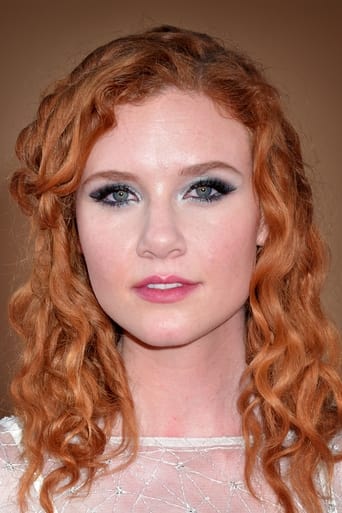
Willa Fitzgerald delivers an incredible performance here. She brings both vulnerability and intensity to her role, and her ability to shift emotional gears without warning is genuinely chilling. Kyle Gallner matches her beat for beat, delivering a performance that’s both unsettling and oddly charismatic. There’s a psychological game being played at all times, and the film is at its best when it leans into that ambiguity.
Stylistically, the film has a gritty, almost vintage look, with dusty tones and a grainy texture that feel right at home in the thriller genre. The cinematography is intimate but never lazy—it keeps you claustrophobically close to the characters, but also knows when to pull back and let the eerie quiet of the setting do the heavy lifting. The sound design and minimal score are also worth praising—they heighten the suspense without being overbearing.
What sets Strange Darling apart is its structure. It plays with time and perspective in a way that’s genuinely clever without ever feeling like a gimmick. It’s the kind of film you immediately want to rewatch, just to see what you missed the first time. It challenges the viewer to think critically and doesn’t hand over easy answers.
It’s not a film for everyone—the pacing is sharp but not always comfortable, and the themes it tackles are dark, even disturbing. But for those who appreciate thrillers that mess with your expectations and stay in your head long after they end, this is an absolute must-watch.
Final thoughts: Strange Darling is a tense, twisted, and deeply psychological experience that rewards patient viewers. It’s a bold piece of genre filmmaking that’s both stylish and narratively ambitious—and it proves that with the right writing and direction, two actors and a good idea are all you really need.