
Cast:
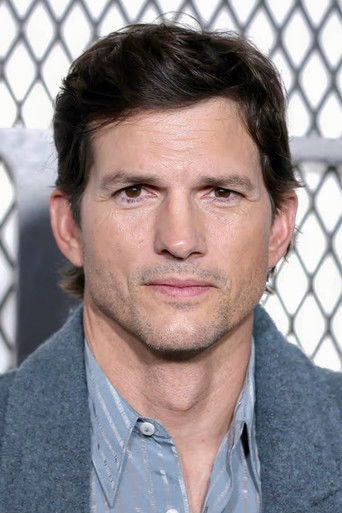 Ashton KutcherEvan Treborn
 Amy SmartKayleigh Miller
 Melora WaltersAndrea Treborn
 Elden HensonLenny Kagan
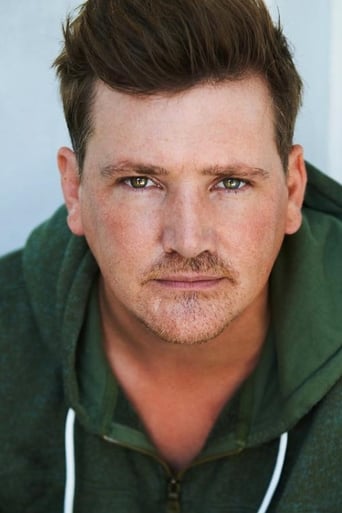 William Lee ScottTommy Miller
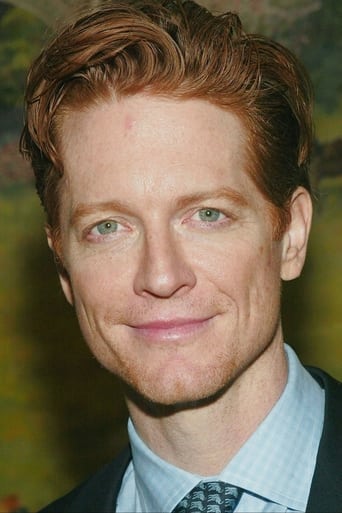 Eric StoltzGeorge Miller
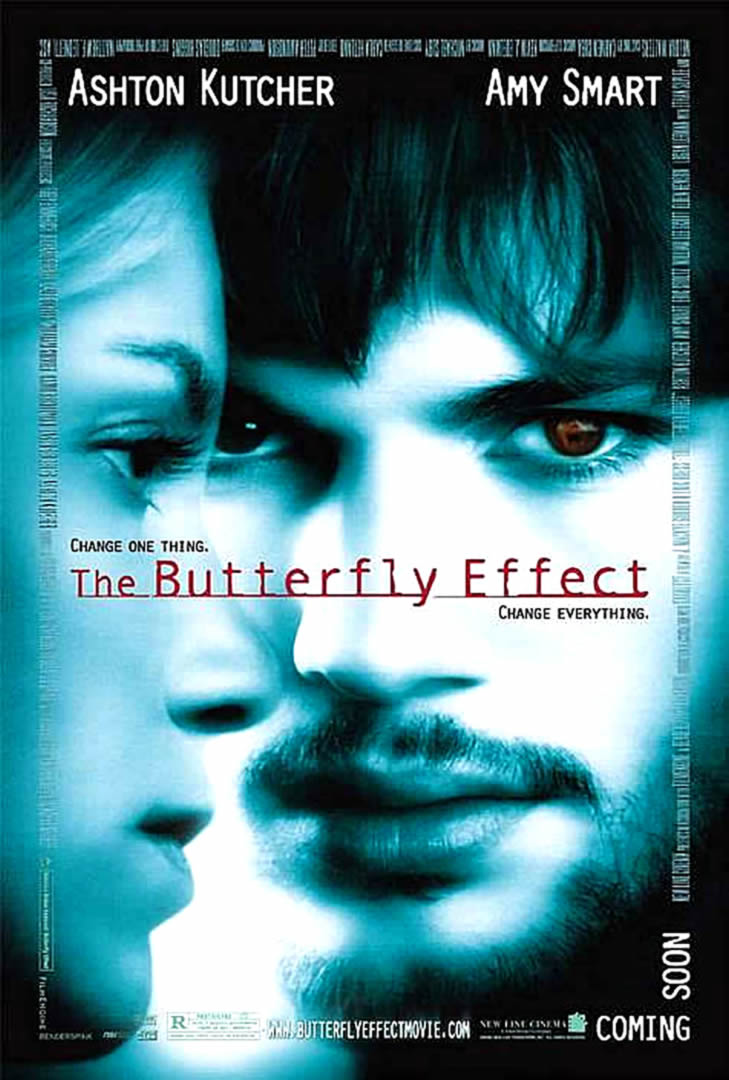
Chaos Theory and the High Price of Regret in Eric Bress’s Sci-Fi Drama
The Butterfly Effect takes the philosophical nightmare of regret and spins it into a relentlessly gripping time-travel thriller that never pulls its punches. Released in 2004, the film tackles heavy themes of childhood trauma, unintended consequences, and the agonizing realization that trying to fix everything often destroys the things you hold most dear.
Growing up under the shadow of a father institutionalized for violent psychosis, young Evan Treborn experiences terrifying blackouts during moments of severe emotional stress. Encouraged by a child psychologist, Evan keeps meticulous daily handwritten journals to anchor his missing memories. Years later as an accomplished college student, Evan opens one of his childhood diaries and discovers an inexplicable phenomenon: by concentrating on the written words, he can transport his adult consciousness back into his younger physical body and alter past events. Driven by love for his childhood sweetheart Kayleigh, Evan sets out to prevent the horrors that ruined her youth, only to trigger a cascade of horrific new realities.
Ashton Kutcher’s Dramatic Breakthrough and Amy Smart’s Versatility
Ashton Kutcher sheds his comedic persona to deliver a passionate, raw performance filled with grief and psychological exhaustion. He portrays Evan’s mounting despair with genuine emotional weight as repeated timeline jumps cause severe brain hemorrhages and fractured memories. Amy Smart displays remarkable versatility, playing vastly different incarnations of Kayleigh across various alternate realities, ranging from a bubbly sorority girl to a shattered addict. Elden Henson and William Lee Scott round out the childhood quartet, bringing dark authenticity to every timeline shift.
Relentless Pacing and the Harsh Realities of Cause and Effect
Directors Eric Bress and J. Mackye Gruber keep the storytelling brisk and impactful, ensuring each trip back into the past feels genuinely dangerous. Michael Suby’s melancholic score underscores the emotional gravity, while dynamic camera pans and jarring visual distortions effectively signal the traumatic transitions through time. While some dramatic twists push into extreme melodrama, the core philosophical premise remains deeply compelling. Movie lovers who appreciate the tragic temporal loops of Donnie Darko and Triangle will find themselves glued to the screen.
The Butterfly Effect is an emotionally intense, unpredictable sci-fi thriller about the painful weight of memory and the true meaning of sacrifice.
Score: 8 / 10 Stars
Butterfly Effect Ending Explained
⚠️ Major spoilers ahead! ⚠️
The tragic resolution of The Butterfly Effect reveals that Evan Treborn is the catalyst for every catastrophe in the lives of his friends, leading him to make the ultimate selfless sacrifice to erase himself from their history.
Each time Evan reads his childhood journals to alter a past trauma, chaos theory strikes back with devastating unintended consequences. In one alternate timeline, saving Kayleigh’s dog causes her abusive brother Tommy to bash Lenny with a shard of glass, turning Lenny into a suicidal inmate. In another timeline where Evan kills Tommy in self-defense, Evan ends up in maximum-security prison fighting for survival. In a third timeline where Evan prevents an explosive prank, he wakes up as a double amputee in a wheelchair while Kayleigh dates his friend.
After a catastrophic prison escape attempt where Evan travels back and blows up his own hands with dynamite, he finds himself in an institution with no journals left. Realizing that his physical father suffered from the exact same temporal affliction and was murdered when he tried to choke young Evan to stop the cycle, Evan discovers family home videos.
In the theatrical ending, Evan plays a home video of the childhood birthday party where he first met Kayleigh Miller. Traveling back into his eight-year-old body, Evan corners Kayleigh in the playroom, sneers viciously at her, and whispers that he hates her and will kill her family if she ever speaks to him again. Frightened and crying, Kayleigh runs to her mother and chooses to live with her father after her parents’ divorce, taking her brother Tommy far away from their abusive neighborhood.
Evan wakes up as a successful psychology student in New York City with healthy, flourishing friends. Lenny and Tommy are happy, while Kayleigh grew up protected and loved. Evan burns all his journals in a metal trash can, severing his connection to time travel forever. Years later on a busy Manhattan sidewalk, Evan passes Kayleigh on the street. He catches her eye for a fleeting moment, feels the familiar pull of love, but turns and walks away in silence so she can remain safe.
If you love emotional time travel dilemmas and dark psychological paradoxes, check out Donnie Darko, Predestination, and Source Code.
Frequently Asked Questions About:
"Butterfly Effect"
Who directed The Butterfly Effect?
Eric Bress and J. Mackye Gruber directed it.
Is The Butterfly Effect dark?
Yes. It deals with abuse, loss and violence.
Who stars in The Butterfly Effect?
Ashton Kutcher and Amy Smart star.
Does The Butterfly Effect have more than one ending?
Yes. There is a theatrical cut and a director’s cut with a different finish.
 5.8
 6.7
- 7.6
 7.1
 8.4