Year:
2007
Runtime:
113 Min.
Director:
Gregory Hoblit
Genre:
IMDB Rating:
7.3

Cast:

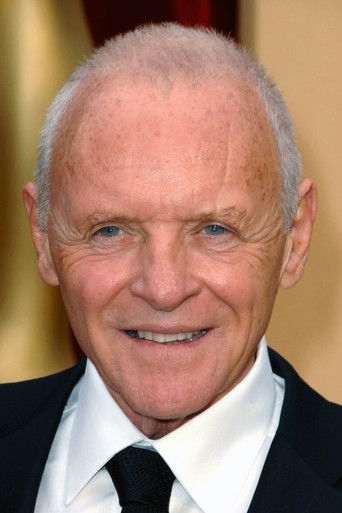
Anthony HopkinsAnthony HopkinsTed Crawford
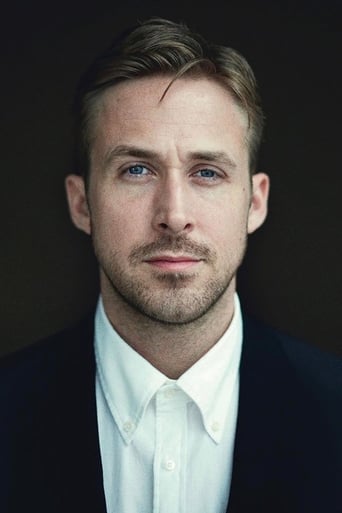
Ryan GoslingRyan GoslingWilly Beachum
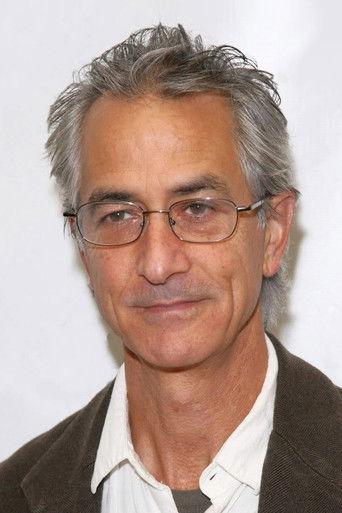
David StrathairnDavid StrathairnJoe Lobruto
Rosamund PikeRosamund PikeNikki Gardner
Embeth DavidtzEmbeth DavidtzJennifer Crawford
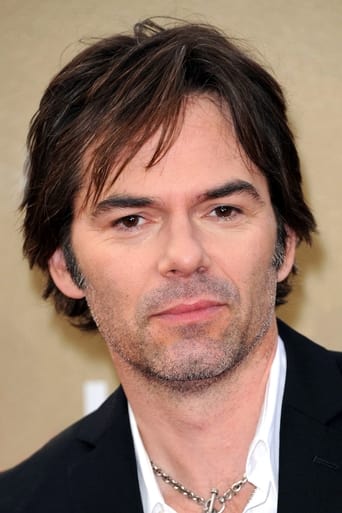
Billy BurkeBilly BurkeRob Nunally
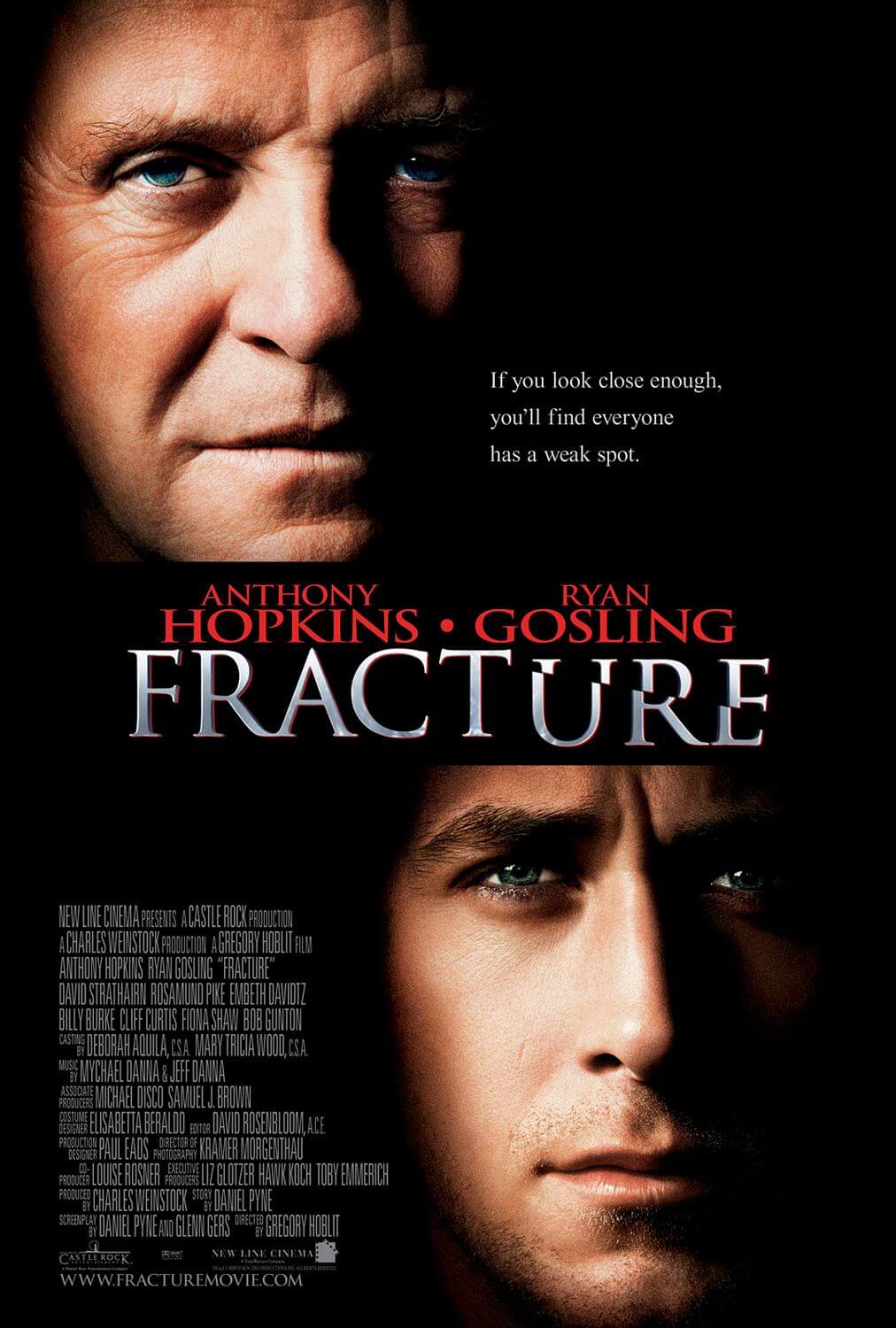
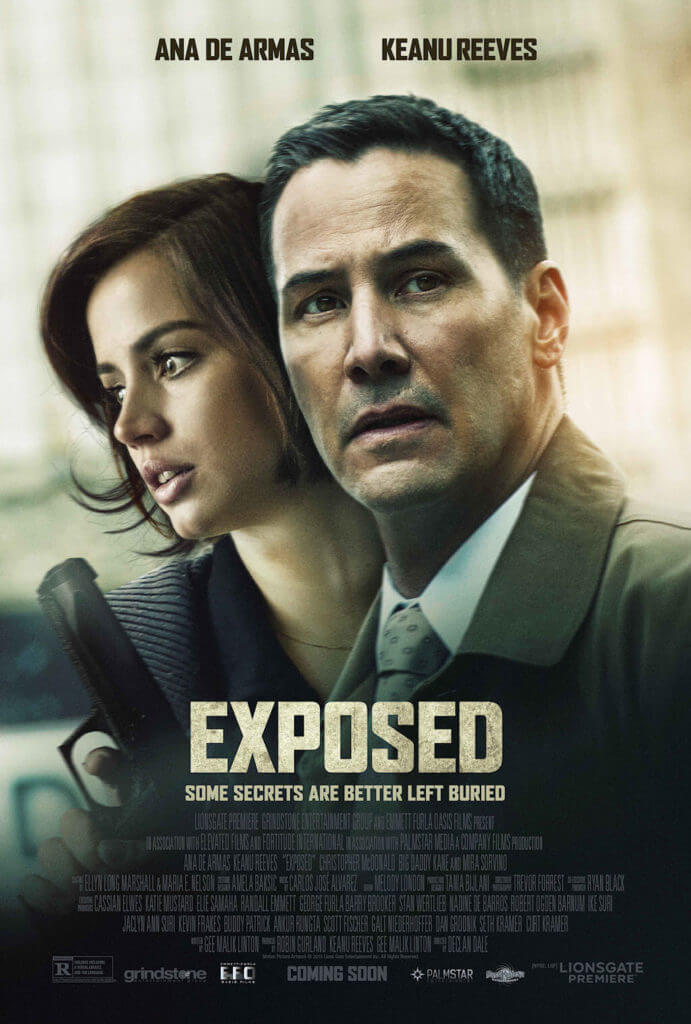
fracture movie poster

Fracture is a 2007 American-German legal thriller film, starring Anthony Hopkins and Ryan Gosling, and directed by Gregory Hoblit. It is the story of a man who shoots his cheating wife, placing her into a coma, and who then engages in a battle of wits with a young assistant district attorney. After the shooter achieves a dismissal of the case on lack of evidence, the assistant D.A. continues his obsessive mission to prove the man’s guilt.

The film received generally positive reviews from critics, and was a box office success, with worldwide revenues of $91.4 million after its $45 million production.

source: https://en.wikipedia.org/wiki/Fracture_(2007_film)

Directed by Gregory Hoblit, Fracture is a delightfully smooth, razor-sharp courtroom thriller that pits two generations of elite acting talent against one another in a cerebral game of cat-and-mouse. Relying on tight plotting, slick dialogue, and psychological manipulation rather than high-octane action, the film revitalizes the legal thriller genre by handing the audience the answer to the crime in the opening minutes and asking: How do you catch a killer who has planned for every variable?

The Plot

Ted Crawford (Anthony Hopkins), a brilliant aeronautical engineer specializing in analyzing structural fractures, discovers his young wife, Jennifer (Embeth Davidtz), is having an affair with a police detective, Rob Nunally (Billy Burke). With cold, meticulous precision, Crawford shoots his wife in their suburban home, cleanly steps through a police standoff, and signs a full written confession to Detective Nunally—the very man sleeping with his wife. Enter Willy Beachum (Ryan Gosling), a swaggering, hyper-ambitious assistant district attorney on the verge of leaving public service for a lucrative corporate law career. Viewing Crawford’s case as a slammed-dungeon open-and-shut victory to wrap up his tenure, Willy quickly realizes he has walked into a trap. Crawford fires his lawyer, chooses to represent himself, and systematically dismantles the prosecution’s entire case by exposing critical procedural errors.

Themes: Ego, Flaws, and Obsession

The film centers on the concept of the hidden flaw—the minute structural fracture that can cause an entire complex machine to collapse. Crawford applies his engineering expertise to the legal system, using the arrogance and carelessness of those around him as his primary weapons. The movie presents a fascinating contrast of egos: Crawford’s cold, sociopathic superiority versus Willy’s youthful, unchecked ambition. As Willy’s pristine career trajectory is derailed by Crawford’s mind games, the narrative shifts into an ethical exploration of justice versus pride. Willy must transform from a slick climber playing the system into a determined prosecutor willing to sacrifice his lucrative future just to ensure a killer doesn’t walk free.

Performances and Direction

Anthony Hopkins is in supreme form, delivering a performance dripping with theatrical charm, quiet malice, and infectious enjoyment. He plays Crawford with a sly, Hannibal Lecter-esque twinkle in his eye, making every courtroom interaction a masterclass in psychological intimidation.

Ryan Gosling provides the ideal sparring partner. Gosling brings a charismatic, slightly cocky energy to Willy, executing a compelling character arc as his smug composure steadily erodes into desperate, sleepless obsession. The chemistry between Hopkins and Gosling is electric, elevating every scene they share into a high-stakes duel of wits. David Strathairn adds valuable weight as Willy’s pragmatic boss, District Attorney Joe Lobruto.

Gregory Hoblit, a seasoned director of legal and psychological suspense (Primal Fear, Fallen), directs with crisp, economical precision. He keeps the pacing brisk, maintaining a tight grip on the narrative mechanics while giving his leads plenty of room to chew the scenery.

Cinematography and Atmosphere

Kramer Morgenthau’s cinematography coats Los Angeles in a cool, high-gloss aesthetic. The contrast between Crawford’s ultra-modern, glass-and-steel minimalist mansion and the cluttered, institutional halls of the city courtrooms highlights the clash between high-society intellect and ground-level bureaucracy. Mychael and Danna Danna’s score provides a subtle, ticking urgency that mirrors the mechanical precision of Crawford’s elaborate trap.

Personal Resonance

Fracture offers a deeply satisfying, intellectual thriller experience. What resonated most is the pure pleasure of watching a villain who is genuinely smarter than everyone else in the room, balanced against the visceral frustration of seeing the legal system’s own rules weaponized against justice. It leaves you leaning in to spot the legal loop or missing detail before the characters do, making for a thrilling, polished piece of entertainment.

Verdict

Fracture is an exceptionally slick, entertaining, and well-crafted legal thriller. Anchored by the magnetic performances of Hopkins and Gosling, it stands as one of the standout court-and-cat-mouse dramas of the 2000s.

  • Who should watch: Fans of legal thrillers like Primal Fear or The Lincoln Lawyer, admirers of Anthony Hopkins and Ryan Gosling, and anyone who enjoys a clever procedural puzzle.
    Final thought: A masterclass in suspense that proves even the most carefully constructed plan has a breaking point if you know where to look.

Fracture Ending Explained

⚠️ Major spoilers ahead! ⚠️

After Crawford is acquitted due to the exclusion of his confession and the missing murder weapon, his wife, Jennifer, remains in a coma on life support. As her legal guardian, Crawford orders her life support to be disconnected, causing her to die and ensuring she can never wake up to testify against him. Detective Nunally, devastated and ruined by the case, commits suicide outside the courtroom. Crawford believes he is completely immune from prosecution due to the Fifth Amendment’s protection against double jeopardy—he cannot be tried twice for the same crime (attempted murder).

However, Willy figures out Crawford’s gun swap trick: Crawford used Detective Nunally’s service weapon to shoot his wife, swapped it back into Nunally’s holster during the arrest, and left his own unfired gun at the scene. Because the police tested Crawford’s gun rather than Nunally’s, they could never find a match.

Willy confronts Crawford at his mansion with the realization. Crawford smugly reminds Willy that double jeopardy protects him from being retried.

Willy delivers the ultimate legal counter-twist: because Crawford took his wife off life support, she has now died. The original trial was for attempted murder. Her death creates an entirely new crime—premeditated first-degree murder. Because it is a brand-new charge, double jeopardy does not apply, and Crawford’s previous acquittal offers no protection. Furthermore, because Crawford ordered the life support disconnected, the bullet was finally retrieved from her body during the autopsy, providing the matching ballistics evidence to Nunally’s gun.

The police arrive at Crawford’s estate to arrest him for murder. The film ends in a new courtroom, with Willy leading the prosecution against Crawford, who is now surrounded by public defenders and facing a trial he can no longer win.

Frequently Asked Questions About:
"Fracture"

No, Fracture is completely fictional. The screenplay was written by Daniel Pyne and Glenn Gers, who conceived the original story about a brilliant criminal manipulating legal technicalities to commit the “perfect crime” while forcing a cocky prosecutor to reassess his priorities.

Crawford weaponized a massive conflict of interest and police misconduct. Because the arresting officer, Detective Rob Nunally, was having an affair with Crawford’s wife, Nunally’s presence at the crime scene contaminated the investigation. The defense proved Nunally assaulted Crawford and that the written confession was obtained under duress. Furthermore, the murder weapon found at the scene didn’t match the bullet in the victim, forcing the judge to throw out the evidence and dismiss the charges due to lack of proof.

Crawford executed a clever gun swap before the crime occurred. Knowing Detective Nunally used the exact same model of Glock pistol, Crawford broke into Nunally’s hotel room while Nunally was sleeping with Crawford’s wife and swapped their guns. When Crawford “shot” his wife, he used Nunally’s gun. When police arrived, Crawford switched the guns back into Nunally’s holster during the arrest. Thus, the gun confiscated from Crawford’s house had never been fired, and the actual murder weapon was sitting in Detective Nunally’s holster the entire time.

The movie was filmed primarily on location in and around Los Angeles, California. Notable shooting locations include the iconic Walt Disney Concert Hall, the historic San Fernando Courthouse, the Culver Studios, and a sleek, contemporary private residence in Encino that served as Ted Crawford’s home.

While the theatrical release features Willy discovering the gun swap and bringing new charges under double jeopardy rules, the home video releases include deleted scenes and subtle script variations that expanded on Detective Nunally’s downfall and provided alternate pacing for Willy’s final confrontation with Crawford in his home.

Last updated: August, 2026
– Film details and cast information checked.
Leave the first comment