
Adaptation
Watch TrailerCast:
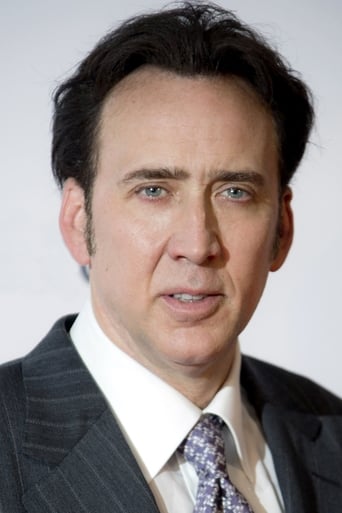 Nicolas CageCharlie Kaufman / Donald Kaufman
 Meryl StreepSusan Orlean
 Chris CooperJohn Laroche
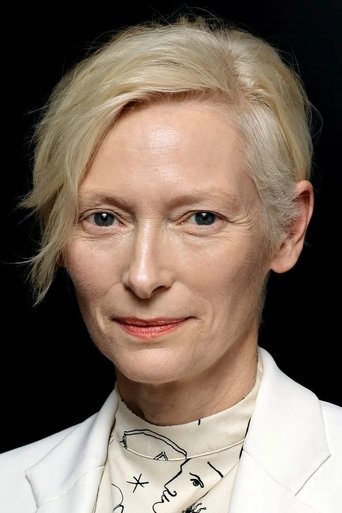 Tilda SwintonValerie Thomas
 Jay TavareMatthew Osceola
 LitefootRussell

Adaptation is a film about a man who can’t write a film, which turns into the film he couldn’t write. If that sounds confusing, it’s meant to. Written by Charlie Kaufman and directed by Spike Jonze, the team behind Being John Malkovich, it’s one of the smartest and funniest films about creativity ever made.
The Plot
Charlie Kaufman (Nicolas Cage) is a neurotic, sweaty, insecure screenwriter. He has been hired to adapt The Orchid Thief, a non-fiction book by New Yorker journalist Susan Orlean (Meryl Streep) about John Laroche (Chris Cooper), an eccentric orchid poacher in Florida.
The problem: the book has no plot. Charlie wants to make a film that is true to it, with no car chases, no sex, no lessons learned. He gets completely stuck. Meanwhile his twin brother Donald (also Nicolas Cage), cheerful and shallow, attends a screenwriting seminar and writes a ridiculous serial-killer thriller that everybody loves.
In parallel, we see Susan Orlean’s story with Laroche, as she researches the book and grows fascinated by his passion.
Two Cages for the Price of One
Nicolas Cage gives one of the best performances of his career in the double role. Charlie and Donald look identical but move, talk and think completely differently. Chris Cooper won the Oscar for his toothless, brilliant Laroche, and Meryl Streep is clearly having a great time.
A Film About Writing
Anyone who has ever stared at a blank page will recognize Charlie’s misery. The film is full of painfully honest moments about self-doubt, and it mocks Hollywood formula while also asking whether formula exists for a reason.
Verdict
Clever, odd and very funny, with a final act that you’ll either find genius or maddening. Probably both.
- Who should watch: Fans of Charlie Kaufman, meta-films and stories about creative struggle.
- Good to know: Donald Kaufman doesn’t exist, but he is credited as co-writer and was nominated for an Oscar.
Adaptation Ending Explained
⚠️ Major spoilers ahead! ⚠️
Desperate, Charlie asks Donald for help. The two travel to New York to spy on Susan Orlean, and from this moment, the film changes completely.
The twist: the last act of Adaptation turns into exactly the kind of Hollywood movie Charlie swore he would never write. Suddenly there are drugs, sex, guns, a car chase and a big life lesson.
The brothers discover that Susan and Laroche are having an affair and that Laroche extracts a drug from the ghost orchid, which Susan takes. When she realizes Charlie has seen everything, she wants him dead. Laroche and Susan chase the twins into a swamp at night.
Laroche is killed by an alligator. Donald is killed in a car crash as they flee. Before he dies, Donald teaches Charlie a simple lesson: you are what you love, not what loves you.
Charlie finally finishes his screenplay, with a voice-over and a happy ending, both things his seminar teacher warned against. The joke is that the ending of the film is written in Donald’s style. The whole movie becomes a commentary on itself: Charlie only finds his story by giving in to the clichés he hated.
Frequently Asked Questions About:
"Adaptation"
Is Donald Kaufman a real person?
No. Donald was invented for the film, but Charlie Kaufman credited him as co-writer, and the fictional brother even shared the Oscar nomination for Best Adapted Screenplay.
Why does Adaptation change so much at the end?
On purpose. The last act copies the clichés of a typical Hollywood thriller, the kind of story Donald would write. It’s the film’s joke about how Charlie finally finishes his script.
Is The Orchid Thief a real book?
Yes. Susan Orlean’s The Orchid Thief (1998) is a real non-fiction book about John Laroche. The affair, the drug and the swamp chase in the film are invented.
 7.6
 6.3
 6.2
 6.2
 6.1