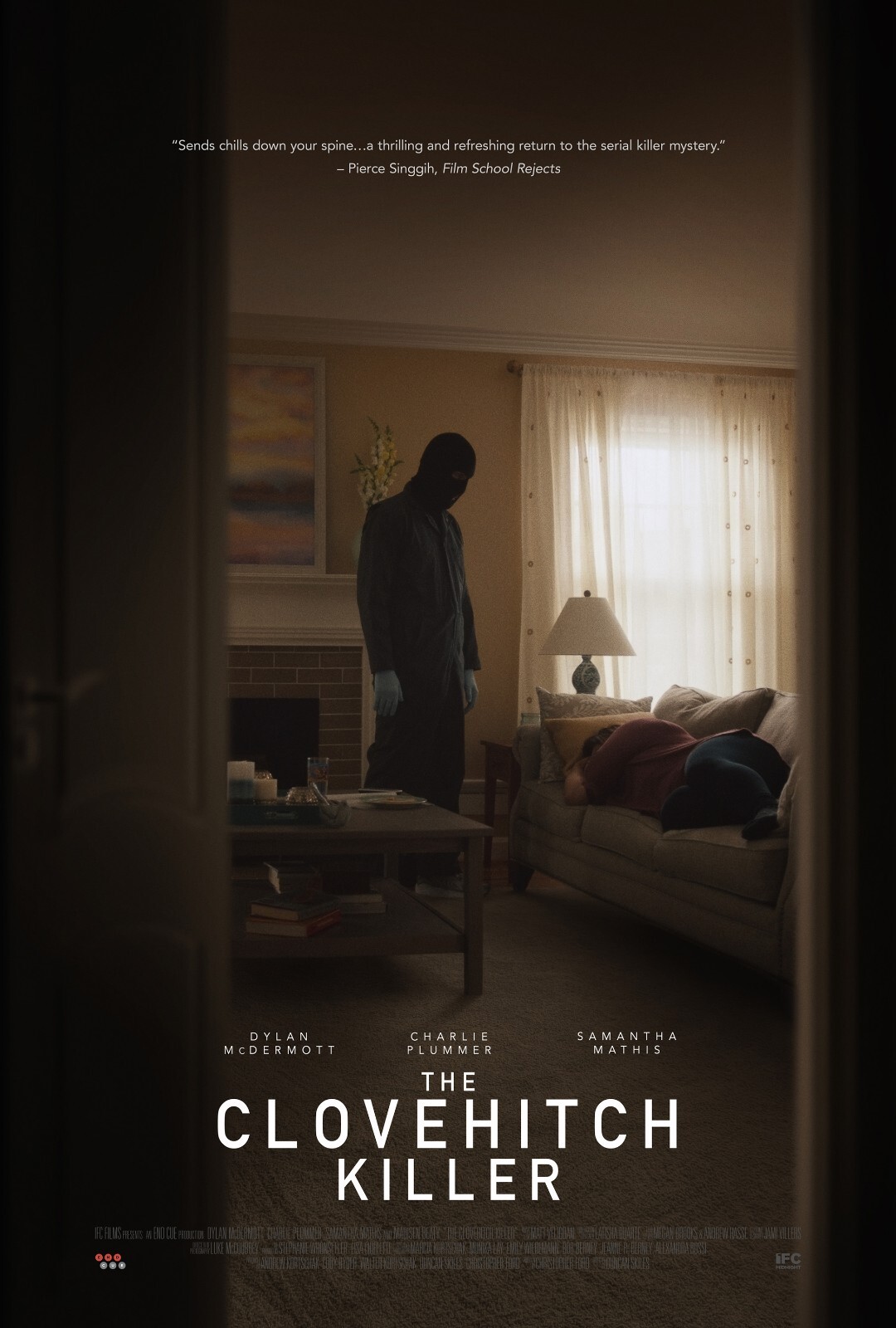
Directed by Duncan Skiles and written by Christopher Ford, The Clovehitch Killer is a chillingly quiet, slow-burn thriller that finds its horror not in shadow-draped alleyways, but in the glaring, sun-washed perfection of American suburbia. Inspired by the real-life terror of serial killers like BTK (Bind, Torture, Kill), the film strips away Hollywood sensationalism to deliver an intimate, deeply uncomfortable look at how easily evil can hide behind faith, family values, and community leadership.
The Plot
Tyler Burnside (Charlie Plummer) is a polite, dutiful 16-year-old Boy Scout living in a picturesque, deeply religious Kentucky town. The community is still haunted by the dark memory of the “Clovehitch Killer,” a terrifying serial murderer who bound and killed ten women a decade earlier before suddenly vanishing. Tyler’s world is upended when he sneaks into his father Don’s (Dylan McDermott) locked pickup truck and finds a disturbing piece of graphic, bound-fetish pornography. Partnering with Kassi (Madisen Beaty), a local teenage outcast obsessed with the cold-case murders, Tyler begins a quiet, agonizing investigation into his own home. He is forced to navigate a harrowing maze of clues to answer a unthinkable question: Is his warm, beloved scoutmaster father actually a monster?
Themes: The Fragility of Suburban Innocence
The film is a sharp, methodical examination of cognitive dissonance and the weaponization of respectability. It explores how small, tight-knit communities build armor out of faith and polite conventions, making them blind to the horrors operating right in front of them. Skiles delves into the tragic collapse of filial trust—capturing the exact, terrifying threshold where a child realizes their parent is not just flawed, but fundamentally dangerous. The core theme is the claustrophobia of denial; it asks how much evidence a family is willing to ignore just to keep their comfortable reality from shattering.
Performances and Direction
Charlie Plummer gives a masterfully understated performance as Tyler. He conveys the weight of an entire world crumbling with subtle shifts in posture, wide-eyed hesitation, and quiet, trembling restraint. His internal conflict drives the emotional engine of the film.
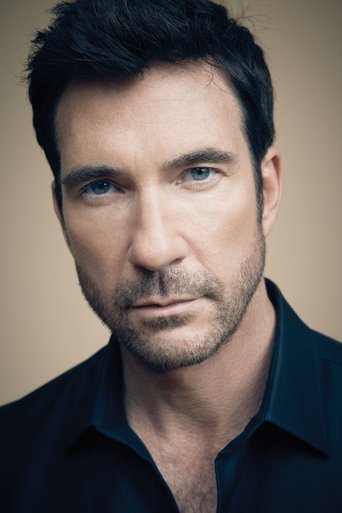
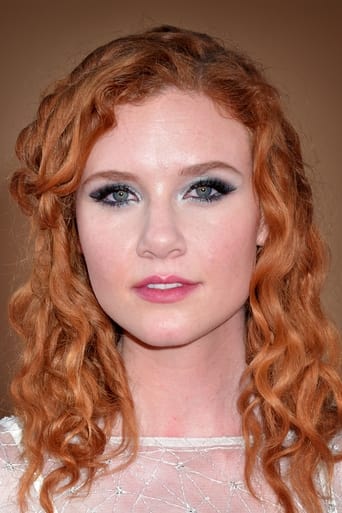
Dylan McDermott delivers a career-defining turn as Don Burnside. He plays the character with a terrifyingly mundane, corny, dad-joke charm. McDermott avoids hamming it up as a theatrical villain; instead, he makes Don feel utterly believable as a scout leader and church elder, making his sudden, cold shifts into sinister calculation all the more jarring. Madisen Beaty brings a sharp, pragmatic cynicism as Kassi, providing a crucial, grounded counterweight to Tyler’s denial.
Duncan Skiles’ direction is remarkably patient and restrained. He avoids cheap jump scares, opting instead for long, static takes and a clever mid-movie perspective shift that recontextualizes previous scenes with sickening clarity.
Cinematography and Atmosphere
Luke McCoubrey’s cinematography relies on bright, clean, naturalistic lighting that makes the creeping dread feel inescapable. The Burnside home is filled with warm wood tones, framed family photos, and cozy domesticity, creating a stark visual contrast to the cold, metallic secrets hidden in the crawlspaces and tool sheds. The sound design is deliberately sparse, letting heavy silences, squeaking floorboards, and breathing heighten the tension.
Personal Resonance
The Clovehitch Killer leaves you with a lingering, deeply unsettling paranoia. What resonated most is its refusal to make the killer a larger-than-life mastermind. The movie makes you feel the sickening awkwardness of confronting someone you love about something horrific. It forces the viewer to sit in the unbearable tension of a quiet living room where a simple conversation about a missing pocketknife carries life-or-death stakes.
Verdict
The Clovehitch Killer is a taut, remarkably executed suspense thriller that relies on character dynamics and psychological dread over gore. It stands out as a hidden gem in the true-crime-inspired fiction genre.
- Who should watch: Fans of methodical, realistic thrillers like Zodiac or Prisoners, lovers of quiet indie suspense, and anyone intrigued by the psychology of real-life serial killers hiding in plain sight.
- Final thought: A terrifyingly grounded reminder that the most dangerous monsters are often the ones sitting at the head of the dinner table.