
Cast:
 Edward WoodwardSergeant Neil Howie
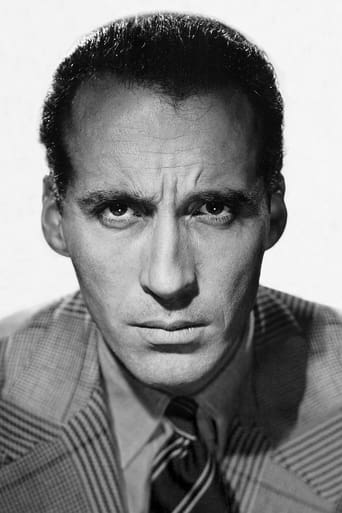 Christopher LeeLord Summerisle
 Britt EklandWillow MacGreagor
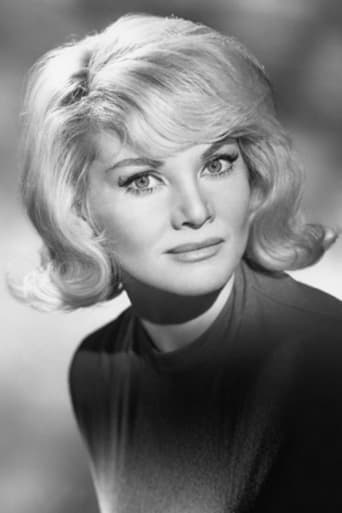 Diane CilentoMiss Rose
 Ingrid PittLibrarian
 Roy BoydBroome

Pagan Rites, Sunlit Dread, and The Wicker Man
Decades before modern filmmakers rediscovered the terror of bright flowers and smiling pagan cults, this British masterpiece set the gold standard for daylight horror. Robin Hardy directs this legendary 1973 folk horror classic with playful eccentric charm and creeping theological dread. Adapted by Anthony Shaffer from David Pinner’s novel Ritual, the story follows a collision of stubborn dogmatism and ancient harvest superstition.
Police Sergeant Neil Howie, played with righteous fury and stiff Scottish pride by Edward Woodward, travels by seaplane to the remote Hebridean island of Summerisle. He is following an anonymous letter alleging that a twelve-year-old girl named Rowan Morrison has vanished without a trace. Upon arrival, Howie encounters cheerful stonewalling from the local villagers. Mothers claim the child never existed, schoolteachers openly instruct schoolgirls in ancient phallic fertility rites, and the local innkeeper’s daughter dances naked through the corridors to tempt the devoutly celibate Christian policeman. When Howie seeks answers from the island’s cultured feudal lord, Lord Summerisle, played with magnetic charisma and towering theatrical gravitas by Christopher Lee, he discovers that the entire community has abandoned Christianity for pre-Christian nature worship.
Gentle Folk Melodies Masking Archaic Brutality
What makes the picture completely unique is its sun-drenched, musical atmosphere. Composer Paul Giovanni provides a collection of authentic, beautiful Anglo-Scots folk tunes that make the island rituals feel joyous, seductive, and terrifying all at once. Edward Woodward gives a commanding performance, making Howie an unsympathetic, sanctimonious prig whose stubborn moral crusade blinds him to every tactical warning sign around him. Christopher Lee matches him with urbane intellectual sophistication, turning Lord Summerisle into one of cinema’s most articulate and chilling villains.
Harry Waxman’s lush cinematography captures the idyllic rolling orchards and rugged coastal cliffs. The pacing steadily turns up the heat, transforming what begins as an eccentric missing-child procedural into a grand May Day carnival of horrors.
The Undisputed Crown Jewel of Folk Horror
The Wicker Man succeeds because it avoids clichéd shadows, relying instead on open skies, bright costumes, and the chilling realization that civilized rules dissolve when a community unites behind religious certainty. If you love daylight folk horror and sacrificial conspiracies, check out our reviews for Midsommar and The Ritual.
Score: 9 / 10 Stars
The Wicker Man Ending Explained
⚠️ Major spoilers ahead! ⚠️
The Wicker Man Ending Explained: The May Day Trap and the Blazing Effigy
Convinced that the islanders plan to sacrifice Rowan Morrison during their elaborate May Day festivities to appease the gods after a catastrophic apple harvest, Howie knocks out an innkeeper, steals a Punch costume, and infiltrates the grand costumed procession. He spots Rowan tied to a tree near the beach, cuts her bonds, and flees with her into a coastal cavern, believing he has saved her life. The unforgettable plot twist reveals that Rowan Morrison was never in danger or missing; the entire island staged the disappearance as elaborate bait to lure an outsider who met four sacred pagan requirements: to come of his own free will, to possess the power of a king, to be a virgin, and to be a devout Christian.
Rowan happily runs back into the arms of the villagers, who surround the stunned officer on the cliff edge. Lord Summerisle explains that an animal sacrifice will no longer appease Nuada, the sun god, and that only the supreme sacrifice of an unblemished lawman can restore their failing crops.
Stripped of his clothes and dressed in a white sacrificial robe, Howie is marched up the grassy headland where a colossal wooden effigy towers against the sky. The islanders force Howie into the chest of the wicker man alongside live sheep, chickens, and goats. As Lord Summerisle sets fire to the wooden structure, the villagers join hands and sing the traditional folk song Sumer Is Icumen In. Howie screams prayers to Christ, singing Psalm 23 through smoke and flames as the giant wicker head collapses into burning cinders against the setting sun. For another unsettling tale of secret societies and gruesome rituals, read our review of Kill List.
Frequently Asked Questions About:
"The Wicker Man"
Why did the islanders target Sergeant Howie in The Wicker Man?
They needed a specific sacrificial victim to appease their sun god after a failed harvest: a virgin male of his own free will who held the legal authority of a king.
Was Rowan Morrison really missing in The Wicker Man?
No, Rowan Morrison was part of the conspiracy and served as bait to draw the pious police sergeant to the island.
What is the giant wooden structure in The Wicker Man?
The wicker man is a colossal wooden effigy used for human and animal sacrifice during ancient Celtic druidic rituals as documented in historical accounts.
Who wrote the screenplay for The Wicker Man?
Acclaimed playwright and screenwriter Anthony Shaffer wrote the screenplay, loosely drawing inspiration from David Pinner’s novel Ritual.
 8.2
 6.4
 8.4
 7.6
 6.2