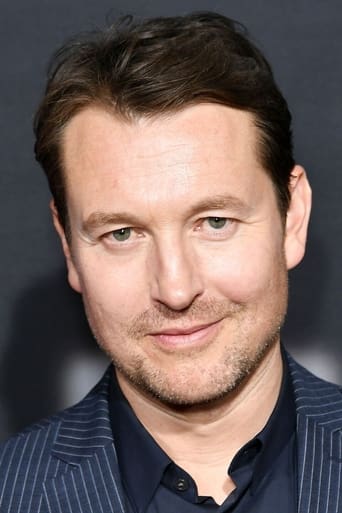
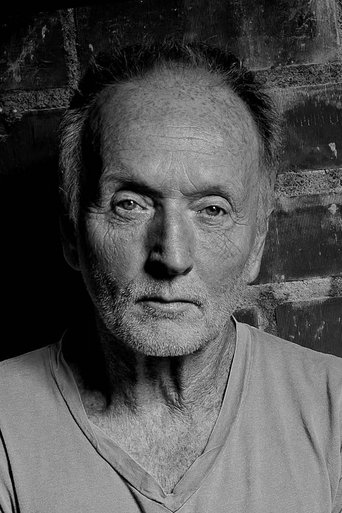
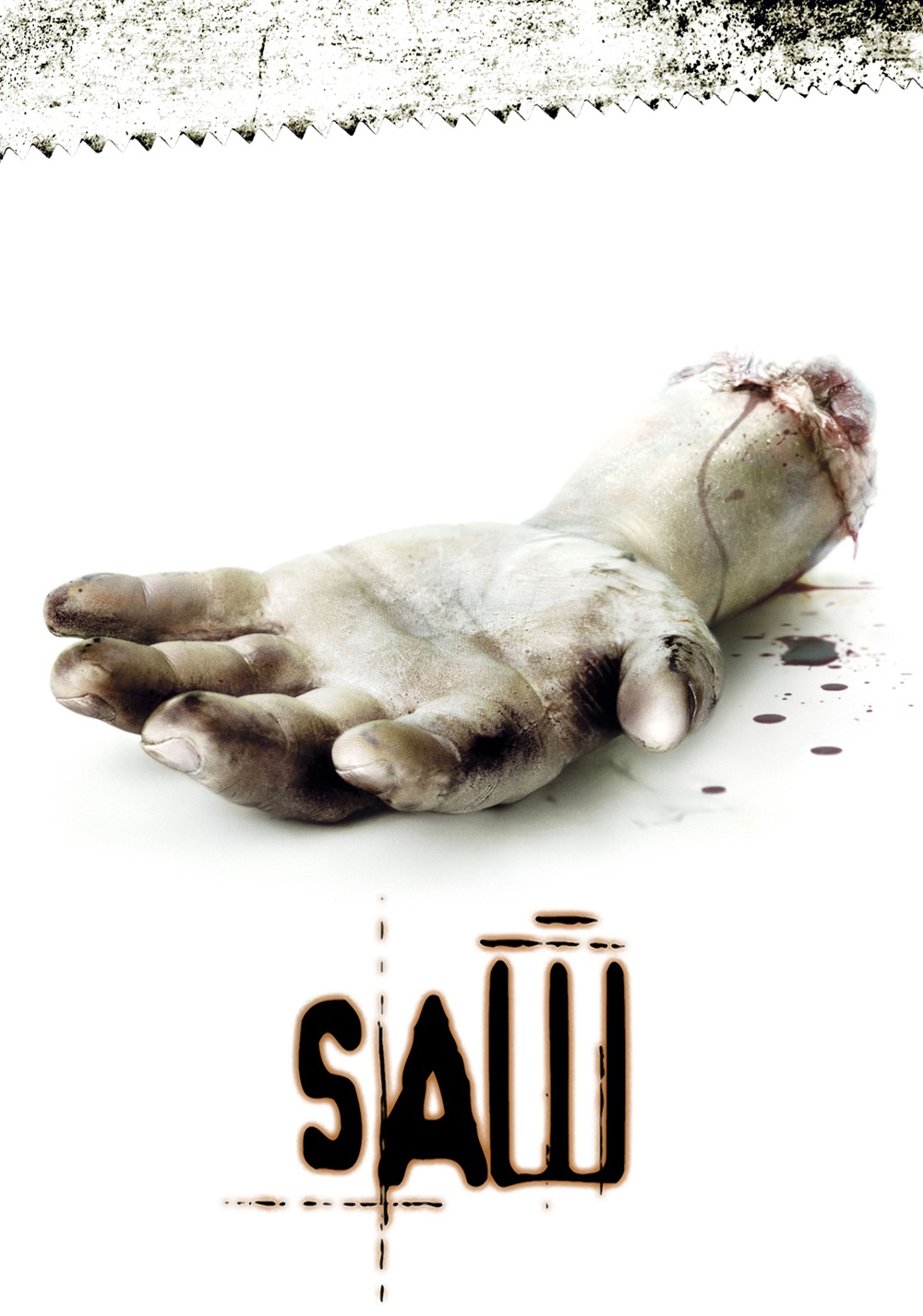
In 2004, director James Wan and screenwriter Leigh Whannell injected a shot of pure, calculated adrenaline into the horror genre with Saw. Made on a shoestring budget and shot in just a few weeks, this gritty, claustrophobic exercise in terror did not just launch a massive multi-billion-dollar franchise; it fundamentally altered the landscape of modern horror by trading supernatural ghosts for the horrifying limits of human survival.
The Plot
The film opens in pitch darkness. Two men, a freelance photographer named Adam (Leigh Whannell) and a prominent oncologist named Dr. Lawrence Gordon (Cary Elwes), wake up chained to opposite sides of a dilapidated, subterranean public bathroom. In the center of the room lies a blood-soaked corpse holding a revolver and a microcassette recorder. Both men discover tapes in their pockets containing cryptic instructions from a serial killer known as “Jigsaw.” Adam’s goal is simply to escape, while Dr. Gordon is given a strict deadline: kill Adam within a few hours, or his captive wife and daughter will be murdered.
Themes: The Ultimate Appraisal of Life
Unlike the mindless slashers of the 80s, Saw operates on a twisted moral philosophy. The Jigsaw killer does not view himself as a murderer. Instead, he target individuals who take their lives, health, or privileges for granted—forcing them into gruesome, self-inflicted traps to test how much pain they are willing to endure to survive. The film is a dark, psychological examination of the survival instinct, asking the audience to confront a terrifying question: What piece of yourself would you be willing to sacrifice to keep living?
Performances and Direction
Cary Elwes and Leigh Whannell deliver frantic, highly kinetic performances that effectively convey the escalating panic of men running out of time. Elwes beautifully captures the fracturing intellect of a calculated doctor losing his cool, while Whannell provides a raw, panicked desperation that acts as the audience’s emotional anchor. Tobin Bell, appearing largely in flashbacks and via altered vocal recordings, instantly establishes a chilling, unforgettable presence as the mastermind behind the game.
James Wan’s direction is inventive and aggressive. Faced with severe budget constraints, Wan uses erratic editing, flash-frames, and a hyper-kinetic camera style during the trap sequences to create a disorienting sense of mechanical dread. He transforms a single, grimy room into an absolute pressure cooker of suspense.
Cinematography and Atmosphere
David A. Armstrong’s cinematography is drenched in a sickening, industrial palette of toxic greens, rusted yellows, and clinical grays. The lighting is harsh and unforgiving, making every surface of the bathroom feel contaminated. The gritty, high-contrast visual style perfectly complements Charlie Clouser’s legendary, industrial-orchestral score, which builds to a frantic, mechanical crescendo that has become synonymous with the franchise’s identity.
Personal Resonance
Watching Saw is a deeply stressful, visceral experience. It triggers a profound sense of helplessness. What resonated most is that the true horror does not come from the gore—which is actually far more restrained in this original film than in its sequels—but from the clock ticking down on the wall. The movie makes you feel the cold weight of the chains and the agonizing psychological torture of two men forced to dissect their own dirty secrets while trying to outsmart an invisible puppet master.
Verdict
Saw is a landmark independent achievement. It is a brilliant, tight, and masterfully constructed puzzle-box thriller that proves you do not need hundreds of millions of dollars to deliver an iconic, genre-defining cinematic experience.
- Who should watch: Fans of intense psychological thrillers like Seven, admirers of inventive independent filmmaking, and horror enthusiasts who appreciate a plot that keeps you guessing until the absolute final second.
- Final thought: A razor-sharp exercise in suspense that proved the human mind is the most terrifying trap of all.