
Cast:
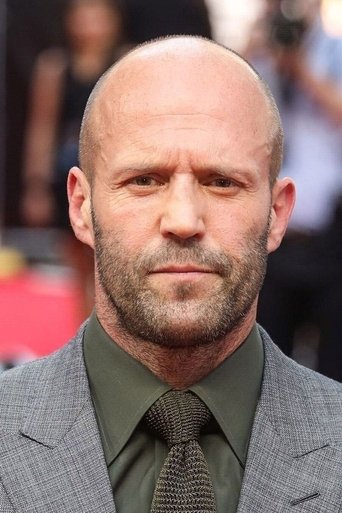 Jason StathamJake Green
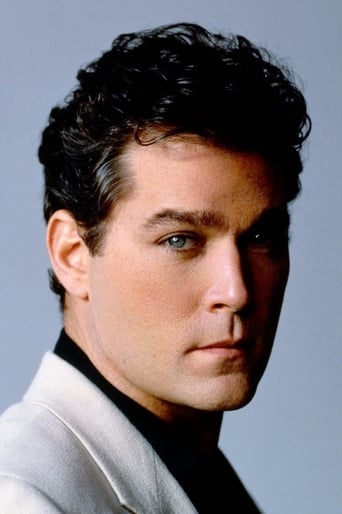 Ray LiottaMacha
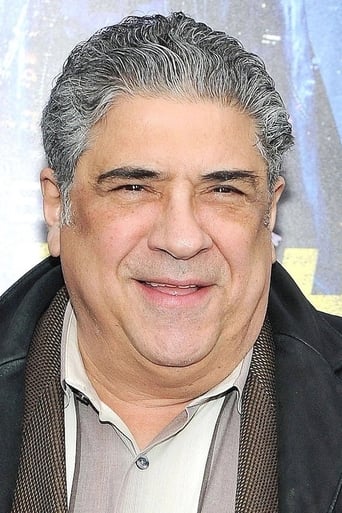 Vincent PastoreZach
 André 3000Avi
 Terence MaynardFrench Paul
 Andrew HowardBilly

Ego, Con Men, and Chess in Guy Ritchie’s Noir
Guy Ritchie took a hard left turn with Revolver. Instead of cheeky cockney banter, he delivered a Kabbalah-infused chess match about conquering human ego.
Jake Green is a professional gambler who served seven years in solitary confinement for a crime he did not commit. In prison, two mystery geniuses in adjacent cells taught him the ultimate formula: a trick to win any game by feeding the opponent’s greed. Released into the neon underworld of an unnamed metropolis, Jake takes his revenge by humiliating ruthless casino boss Dorothy Macha in a private high-stakes game. But victory turns sour: doctors inform Jake he has three days to live, and Macha’s hitmen are closing in.
Jason Statham and Mark Strong
Jason Statham sheds his standard action persona, sporting long hair and a weary grimace as he battles his own internal panic. Mark Strong steals the picture as Sorter, Macha’s precise, soft-spoken hitman who develops an unexpected conscience during a chaotic stairwell shootout. Ray Liotta gives an unhinged, sun-tanned performance as the psychotic crime boss Macha.
The Greatest Con Ever Pulled
Tim Maurice-Jones shoots with rich gold and crimson tones, while Nathaniel Méchaly’s opera-infused strings give every confrontation grand philosophical weight. The movie polarized critics in 2005 because it refuses to be Lock, Stock. It demands that you treat criminal psychology as a spiritual war against self-deception. If you enjoy cerebral crime puzzles and ego mind games, explore The Game and Lucky Number Slevin.
A polarizing, ambitious philosophical crime puzzle that looks inside the mirror of human pride.
Score: 7 / 10 Stars
Revolver Ending Explained
⚠️ Major spoilers ahead! ⚠️
The psychological twist of Revolver reveals that the two chess geniuses Avi and Zach, as well as the mythical crime lord Sam Gold, are externalized manifestations of Jake Green’s own ego and conscience: the greatest con was getting Jake to destroy his own pride.
Avi and Zach, the loan sharks who protected Jake in exchange for draining his fortune and giving it away to charity, were the very prisoners who lived in the adjacent cells. They never left him; they orchestrated every step to break Jake’s attachment to money, reputation, and fear.
Sam Gold is not a physical mob boss, but human ego itself: the deceptive internal voice that makes people believe they are in control while whispering doubts and greed into their minds. When Jake confronts Macha in his bedroom, Jake refuses to defend himself, apologizes, and steps into an elevator.
Inside the stalled elevator on the 13th floor, Jake undergoes a terrifying psychological breakdown, confronting his inner ego voice and finally silencing it. When Macha holds a gun to Jake’s head in the lobby, Jake feels zero fear. Terrified by Jake’s calm and consumed by his own screaming ego, Macha breaks down in hysterical tears and shoots himself in the head. Jake walks out into the sunlight completely free.
If you love philosophical crime thrillers, ego puzzles, and mind games, check out Fight Club, The Game, and Lucky Number Slevin.
Frequently Asked Questions About:
"Revolver"
Who is Sam Gold in Revolver?
Sam Gold is not a real person; he is a metaphor for the human ego, the internal voice that tricks people through greed and fear.
What is the elevator scene in Revolver about?
The elevator scene depicts Jake Green’s internal battle to silence his ego and conquer his fear of death.
Who directed Revolver?
Guy Ritchie directed the film, co-writing the screenplay with French filmmaker Luc Besson.
Why did Revolver divide critics upon release?
Audiences expected a lighthearted gangster comedy, but received an abstract psychological thriller steeped in game theory.
 6.5
 6.3
 6.2
 6.1
- 6.1