
Cast:
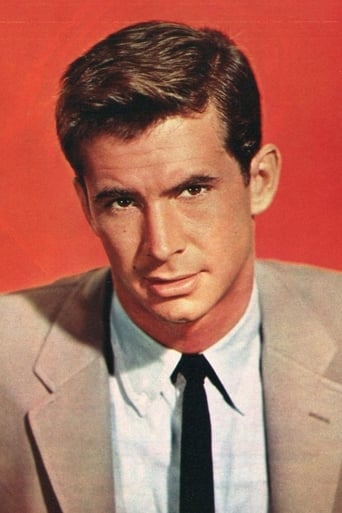 Anthony PerkinsNorman Bates
 Janet LeighMarion Crane
 Vera MilesLila Crane
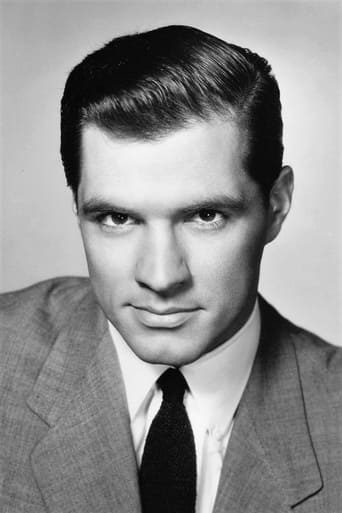 John GavinSam Loomis
 Martin BalsamMilton Arbogast
 John McIntireAl Chambers

The Architecture of Terror in Alfred Hitchcock’s Masterpiece
Alfred Hitchcock rewrote the grammar of cinema with Psycho, delivering a chilling masterclass in suspense that forever changed how audiences experience fear. Released in 1960 against the skepticism of studio executives, this low-budget black-and-white marvel strips away Hollywood glamour to expose raw psychological dread.
Marion Crane, a Phoenix secretary played by Janet Leigh, impulsively steals forty thousand dollars in cash entrusted to her by a wealthy real estate client. Yearning to start a fresh life with her indebted lover Sam Loomis, she flees town in her sedan under darkening skies. A torrential downpour blinds the highway, forcing Marion off the main route and onto the desolate driveway of the Bates Motel. She meets the shy, soft-spoken proprietor Norman Bates, who offers her a warm meal in his parlor beside a collection of taxidermy birds before terror strikes.
Brilliant Subversion and Bernard Herrmann’s Screeching Strings
Hitchcock pulls off the ultimate narrative sleight of hand by abruptly shifting the protagonist midway through the story. The legendary shower sequence remains a technical tour de force of rapid montage editing, featuring seventy-eight camera setups in just forty-five seconds without showing a single graphic puncture wound. Bernard Herrmann’s shrieking, all-string orchestral score pierces through the soundscape like physical blows, elevating everyday dread into iconic nightmare fuel. The contrast between Anthony Perkins’s stuttering, birdlike charm and the looming gothic house on the hill creates an atmosphere thick with unease.
A Psychological Precursor to the Modern Slasher
Perkins gives a career-defining performance as Norman, portraying him not as a cartoon monster but as an emotionally stunted young man trapped in filial devotion. Hitchcock keeps his camera roving with predatory precision, peering through peepholes and descending from towering overhead angles to trap the viewer inside Norman’s guilty gaze. Decades later, the tension never slackens and the pacing remains razor-sharp. Mystery buffs who appreciate the craft of Identity and Primal Fear will see where modern psychological cinema was born.
Psycho stands as timeless proof that true horror lives not in monsters under the bed, but in the dark, fractured recesses of the human mind.
Score: 9 / 10 Stars
Psycho Ending Explained
⚠️ Major spoilers ahead! ⚠️
The monumental twist in Psycho reveals that Norman Bates’s domineering mother has been dead for ten years, and Norman himself is the murderer.
When Marion’s sister Lila and lover Sam trace her disappearance to the Bates Motel, private investigator Arbogast searches the property and gets stabbed on the stairs by a shadowy female figure. Sam and Lila visit the local sheriff and discover a shocking detail: Mrs. Bates died a decade earlier in an apparent murder-suicide alongside her lover.
Determined to uncover what happened, Lila sneaks into the Bates home while Sam distracts Norman. Lila ventures down into the fruit cellar and discovers an elderly woman seated in a chair facing away from her. When Lila touches the shoulder, the chair spins around to reveal the mummified, preserved corpse of Mrs. Bates with hollow eye sockets. Norman bursts into the cellar dressed in his mother’s floral dress, wearing a gray wig and raising a chef’s knife with a manic grin. Sam rushes in just in time to tackle Norman to the floor and disarm him.
A court psychiatrist explains Norman’s dual psychological state: unable to cope with matricide, Norman stole his mother’s body from her grave, preserved it, and split his own mind in two. Whenever Norman felt sexual desire for a woman like Marion, the jealous Mother persona completely took over his psyche and struck to kill. In the chilling final shot, Norman sits wrapped in a blanket in a holding cell, as the voice of his mother proclaims she wouldn’t even hurt a fly, while a faint skull superimposes over Norman’s face.
If you love masterclass psychological thrillers with shocking identity twists, check out Shutter Island, The Others, and Primal Fear.
Frequently Asked Questions About:
"Psycho"
Is Psycho based on a book?
Yes. Robert Bloch wrote the 1959 novel, and Joseph Stefano adapted it for the screen.
Why is Psycho in black and white?
Hitchcock chose it to keep the violence less graphic and to work with a lower budget.
Who composed the music for Psycho?
Bernard Herrmann wrote the score, which uses only string instruments.
 8.1
- 7.5
 6.7
 8.2
 7.1