Ghostland: An In-depth Exploration
Introduction
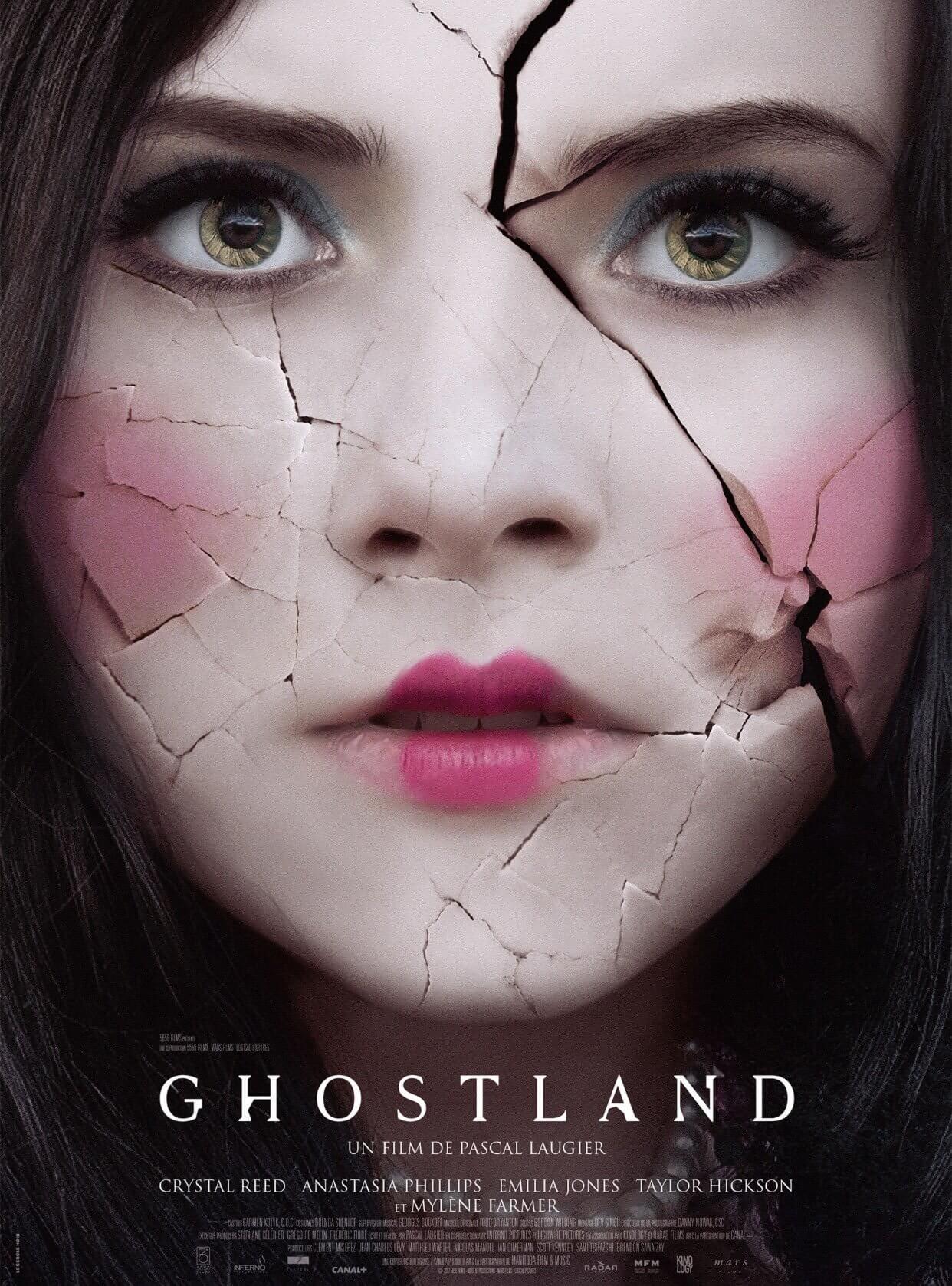
“Ghostland,” also known by its alternative title “Incident in a Ghostland,” is a masterful work of psychological horror. Directed by Pascal Laugier, known for his previous film “Martyrs,” the movie delves into themes of trauma, memory, and the enduring bond between sisters. Laugier’s ability to blend shocking visceral horror with profound psychological distress makes “Ghostland” a standout in the genre.
Setting and Atmosphere
The central setting of “Ghostland” is an old family house, inherited by the protagonist’s family. This house, both majestic and menacing, is located in a desolate area, further amplifying the feelings of isolation and vulnerability. With its labyrinthine layout, dimly lit rooms, and the eclectic collection of eerie dolls and antiques, the house itself becomes an integral character in the narrative, embodying both the sanctuary of home and the lurking dangers within.
Laugier expertly uses this setting to create an atmosphere of constant tension. The line between safety and threat is blurred, as familiar spaces within the house transform into nightmarish landscapes.
Main Characters
- Pauline: The loving mother of the two girls, she’s a symbol of security and warmth. Her decision to move her daughters to the inherited house sets the events of the film into motion.
- Beth: The elder of the two sisters, she’s an aspiring writer with a vivid imagination, inspired by the likes of H.P. Lovecraft. Her perspective on events is colored by her passion for horror stories, providing a unique lens through which the narrative unfolds.
- Vera: The younger sister, Vera shares a deep bond with Beth. Her experiences in the story are visceral and raw, emphasizing the tangible dangers the family faces.
Plot Overview
The narrative begins with Pauline and her two daughters, Beth and Vera, embarking on a journey to their new home, an old family house they’ve recently inherited. Their initial exploration of the place reveals its peculiarities, especially the unusual dolls and toys that populate its rooms.
However, their new beginning quickly takes a nightmarish turn. The house, with all its mysteries, becomes the backdrop for a series of terrifying incidents. These events challenge the sanity and resilience of the characters, particularly the two sisters, as they grapple with external threats and their own psychological traumas.
Throughout the film, the audience is led to question the nature of reality. What is genuine, and what is a product of a traumatized mind? This constant uncertainty enhances the horror, making every shadow, every whisper, and every creaking floorboard a potential harbinger of doom.
Themes and Symbolism
- Reality vs. Delusion: One of the most prevailing themes in “Ghostland” is the fine line between reality and imagination. Through Beth’s lens, the audience is often left questioning the authenticity of events. This blurring of lines serves to heighten the sense of dread and offers a commentary on how the human mind copes with severe trauma.
- Sisterly Bond: At the heart of the movie is the relationship between Beth and Vera. Their bond is tested, strained, but ultimately unbreakable. It’s a testament to the enduring nature of familial ties, especially during adversity.
- The Horror of Memory: The film delves deep into the idea of memory – both its protective and destructive nature. Sometimes, memories act as a shield, a defense mechanism to protect the psyche from unbearable trauma. At other times, they are relentless, replaying moments of terror over and over.
- Isolation: The remote setting of the house, both physically and psychologically, represents the characters’ isolation. Whether it’s the vast, empty landscape surrounding the home or the internal isolation of a traumatized mind, this theme is recurrent and emphasizes the vulnerability of the characters.
Direction and Cinematography
Pascal Laugier’s direction is both subtle and intense. He knows when to hold back, building tension with prolonged scenes of quiet unease, and when to unleash full-blown horror, shocking the audience with visceral imagery.
The cinematography complements the direction perfectly. The play of light and shadow, the close-ups capturing the raw emotions of the characters, and the panoramic shots of the desolate surroundings all contribute to the chilling atmosphere of the film. The house’s interiors, with their vintage charm and creeping decay, are captured in a manner that makes them both enchanting and foreboding.
Conclusion
“Ghostland” is not merely a horror film; it’s a deep dive into the human psyche, exploring the aftermath of trauma and the coping mechanisms individuals employ. While it does offer scares aplenty, its real strength lies in its portrayal of human resilience and vulnerability.
The film challenges its audience, urging them to question the nature of reality and the reliability of memory. Its layered narrative, combined with impeccable direction and performances, ensures that “Ghostland” lingers in one’s mind long after the credits roll.
For fans of psychological horror, “Ghostland” offers a rich, nuanced experience. It’s a journey through the corridors of a haunted house and the even more intricate labyrinths of the human mind. This balance of external horror and internal torment makes the film a must-watch, as it skillfully weaves a tale of terror that is both outwardly disturbing and introspectively profound.