

Cast:
 Rooney MaraEmily Taylor
 Jude LawJonathan Banks
 Catherine Zeta-JonesDr. Victoria Siebert
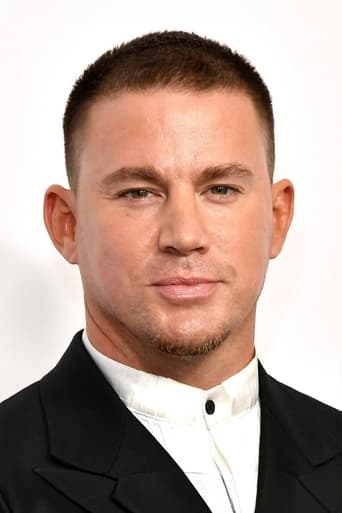 Channing TatumMartin Taylor
 Vinessa ShawDierdre Banks
 Ann DowdMrs. Taylor

Prescription Pills, Insider Trading, and Side Effects
Very few contemporary thrillers execute a genre pivot with quite as much clinical elegance, transforming a solemn indictment of modern psychiatric pharmacology into a razor-sharp Hitchcockian murder trap. Directed by Steven Soderbergh in 2013 from a smart script by Scott Z. Burns, this icy psychological puzzle dissects America’s casual chemical dependency while delivering classic film noir duplicity. Rooney Mara stars as Emily Taylor, a fragile Manhattan graphic artist struggling with paralyzing bouts of clinical depression.
Emily’s emotional turmoil appears rooted in the financial disgrace of her husband Martin, played with slick optimism by Channing Tatum, who has just finished serving a four-year federal prison sentence for insider trading. Following a staged suicide attempt where Emily drives her car straight into a concrete garage wall, she is assigned to ambitious British psychiatrist Dr. Jonathan Banks, played with meticulous intelligence by Jude Law. When traditional antidepressants fail to lift Emily’s despair, Dr. Banks consults Emily’s former therapist, Dr. Victoria Siebert, portrayed with cool sophistication by Catherine Zeta-Jones. Siebert recommends an experimental new selective serotonin medication named Ablixa. The drug initially works wonders, but Emily soon exhibits severe episodes of somnambulism, wandering the apartment in a hypnotic trance that culminates in Martin’s fatal stabbing on the kitchen floor.
Soderbergh’s Clinical Aesthetic and Hitchcockian Reversals
Operating his own RED digital camera under his frequent pseudonym Peter Andrews, Soderbergh gives Manhattan an antiseptic, chilly sheen using yellow-green hospital tones and stark corporate glass reflections. Rooney Mara is sensational, weaponizing wide, mournful eyes and fragile mannerisms that disarm everyone around her. Jude Law anchors the procedural investigation with growing desperation as public outrage, medical malpractice lawsuits, and professional ruination tear his life apart. Rather than folding under the weight of scandal, Dr. Banks turns into a relentless medical detective, picking apart discrepancies in Emily’s clinical symptoms and financial paper trails.
Thomas Newman’s minimalist ambient electronic score underscores the quiet, calculating mind games unfolding behind clean psychiatric desk lamps.
A Masterclass in Deceptive Storytelling
Side Effects succeeds because it uses audience familiarity with Big Pharma scandals as the ultimate misdirection. What begins as a cautionary tale about over-medication evolves into a delicious web of greed, manipulation, and professional survival. If you appreciate sharp psychiatric thrillers featuring duplicitous antiheroes, explore our reviews for Primal Fear and Gone Girl.
Score: 8 / 10 Stars
Side Effects Ending Explained
⚠️ Major spoilers ahead! ⚠️
Side Effects Ending Explained: The Ablixa Scam and Dr. Banks’s Trap
Emily stands trial for Martin’s homicide but is declared not guilty by reason of temporary insanity caused by Ablixa-induced sleepwalking, remanded to a psychiatric hospital under Dr. Banks’s supervision. With his career destroyed, Dr. Banks investigates further, noticing that Emily’s pupils did not react like genuine parasomnia patients and discovering she held secret offshore accounts. The brilliant plot twist reveals that Emily was never depressed or sleepwalking; she and Dr. Victoria Siebert conspired together to murder Martin and make millions by shorting the pharmaceutical stock of Ablixa before the scandal broke.
Martin had lost all their money, and Emily wanted him eliminated without forfeiting her lifestyle. Working with Dr. Siebert, who was also Emily’s romantic partner, Emily fabricated the depression, secured the prescription, and executed Martin in cold blood.
Armed with this proof, Dr. Banks uses his legal power as Emily’s supervising psychiatrist to play the two conspirators against one another. He tells Siebert that Emily is confessing, while offering Emily a deal that promises release from the asylum in exchange for turning state evidence on Siebert. Siebert is arrested for insider trading and murder conspiracy. Once Siebert is in handcuffs, Dr. Banks refuses to discharge Emily, legally diagnosing her with severe mental illness for her violent sociopathy. The film concludes with Emily heavily medicated in a state psychiatric ward, staring blankly out a locked window as Dr. Banks returns to his restored family and thriving medical practice. For another clever psychological tale of feigned mental illness, check out our analysis of The Machinist.
Frequently Asked Questions About:
"Side Effects"
Was Emily really sleepwalking when she killed Martin in Side Effects?
No, Emily was entirely conscious and faked her sleepwalking episodes to commit murder while securing a legal insanity defense.
Why did Dr. Siebert help Emily in Side Effects?
Dr. Victoria Siebert conspired with Emily to short the stock of the pharmaceutical company manufacturing Ablixa, earning millions when the murder made headlines.
What happens to Emily at the end of Side Effects?
Dr. Banks legally traps Emily in a high-security mental institution by refusing to sign her release papers, heavily medicating her for her demonstrated sociopathy.
Who directed and wrote Side Effects?
Steven Soderbergh directed the 2013 psychological thriller, based on an original screenplay written by Scott Z. Burns.
 6.4
 1
 6.2
 6.2
 6.8


